



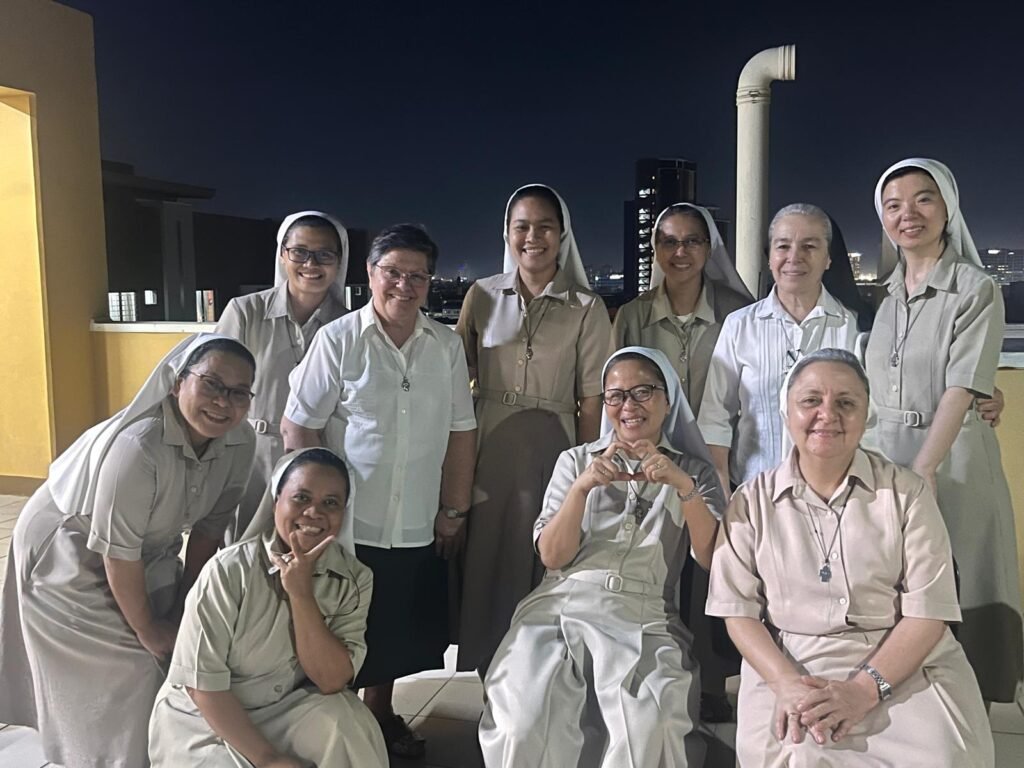
In today’s world, people from different cultural backgrounds interact more frequently than ever, largely through communication and online networks. This has led to societies in which diverse traditions, beliefs, and values coexist. While this diversity enriches and enhances communities, it can also lead to misunderstandings and conflicts if it is not approached with respect, openness, and acceptance. Two important concepts help address these challenges: interculturality and human rights. Together, they promote understanding, dignity, and peaceful coexistence among individuals and communities.
Interculturality refers to interaction, dialogue, and mutual enrichment among cultures. Rather than forcing one culture to dominate or expecting individuals to abandon their cultural identities, interculturality encourages respect for diversity while promoting meaningful exchange between cultures. It recognizes that each culture has unique traditions, values, and perspectives that contribute to the overall human experience. Interculturality goes beyond simply recognizing inherent human rights; it involves identifying with others and putting oneself in their place. In an intercultural perspective, no one considers themselves superior; instead, each person accepts and values the uniqueness of others as a richness.
Through intercultural dialogue and peace-building conversations, people have learned to value differences instead of fearing them and to overcome cultural prejudices. Each individual maintains their own cultural identity while remaining open to learning from others. This openness helps reduce prejudice, stereotypes, and discrimination. Interculturality thus promotes respect, understanding, and cooperation among diverse communities.
Human rights, on the other hand, are universal principles that protect the dignity of all people. They play a fundamental role, as they represent basic freedoms and protections that belong to everyone, regardless of culture, religion, nationality, or social status. They are inherent to human beings; they are part of our nature and develop as we grow. Our very nature leads us to recognize the value of those around us, regardless of their cultural background.
The Universal Declaration of Human Rights, adopted in 1948, establishes a common standard that guides societies to treat all people with fairness and dignity. It ensures that cultural traditions or differences cannot be used as a pretext to violate the rights of others. In this way, human rights create a moral and legal framework for peaceful societies. This declaration sets out basic rights such as equality, freedom, education, and protection against discrimination.
Both interculturality and human rights are essential for promoting peaceful coexistence. Human rights ensure respect and protection for all, while interculturality fosters dialogue and mutual understanding among cultures. When both cultural diversity and human dignity are recognized, more harmonious interactions and stronger relationships can be built. All sectors of society are encouraged to engage in respectful and open dialogue that promotes inclusive values. Schools, governments, religions, and social institutions can foster intercultural understanding by teaching respect for different cultures while emphasizing the importance of human rights.
Reflecting on this topic brings to mind the incredible experience I lived when I had the opportunity to visit Indonesia. There, I witnessed the peace that exists among people living in a country with great cultural diversity. Muslims and Christians collaborate respectfully and harmoniously for the good of their nation. I saw how they tolerate, respect, and accept one another’s differences in order to promote a more humane society and, ultimately, contribute to the country’s progress.
Personally, the experience of being sent as a missionary to at least three foreign countries has helped me understand the essence of knowing, understanding, appreciating, and accepting other cultures. Every time I left my country, I felt that my destination was not foreign to me: although I did not speak the same language and the food was very different from ours in the Philippines, I knew that we are all equal and that our differences are part of distinct geographical and political realities.
Another attitude that helps me appreciate other cultures is the willingness to set aside my own prejudices and accept the reality of the country where I find myself. I strive above all to respect the laws and policies in force and to value every experience, however difficult, because I believe that embracing interculturality and respecting human rights is a personal commitment that generates true synergy.
However, the wars currently taking place in some parts of the world show how, at times, we allow ourselves to be blinded by personal interests, the desire for domination, and the ambition for power. Unfortunately, this reality highlights a growing problem related to respect and the ability to forgive.
Peaceful coexistence does not mean the absence of differences; rather, it means living together with a spirit of respect and cooperation despite them. By embracing interculturality and defending human rights, societies can transform diversity into a source of strength rather than conflict. Together, these principles lay the foundations for a society in which people from different backgrounds can live peacefully, respecting one another and working toward a common goal: “a more humane future.”
Sister Lorena B. Sacal, TC