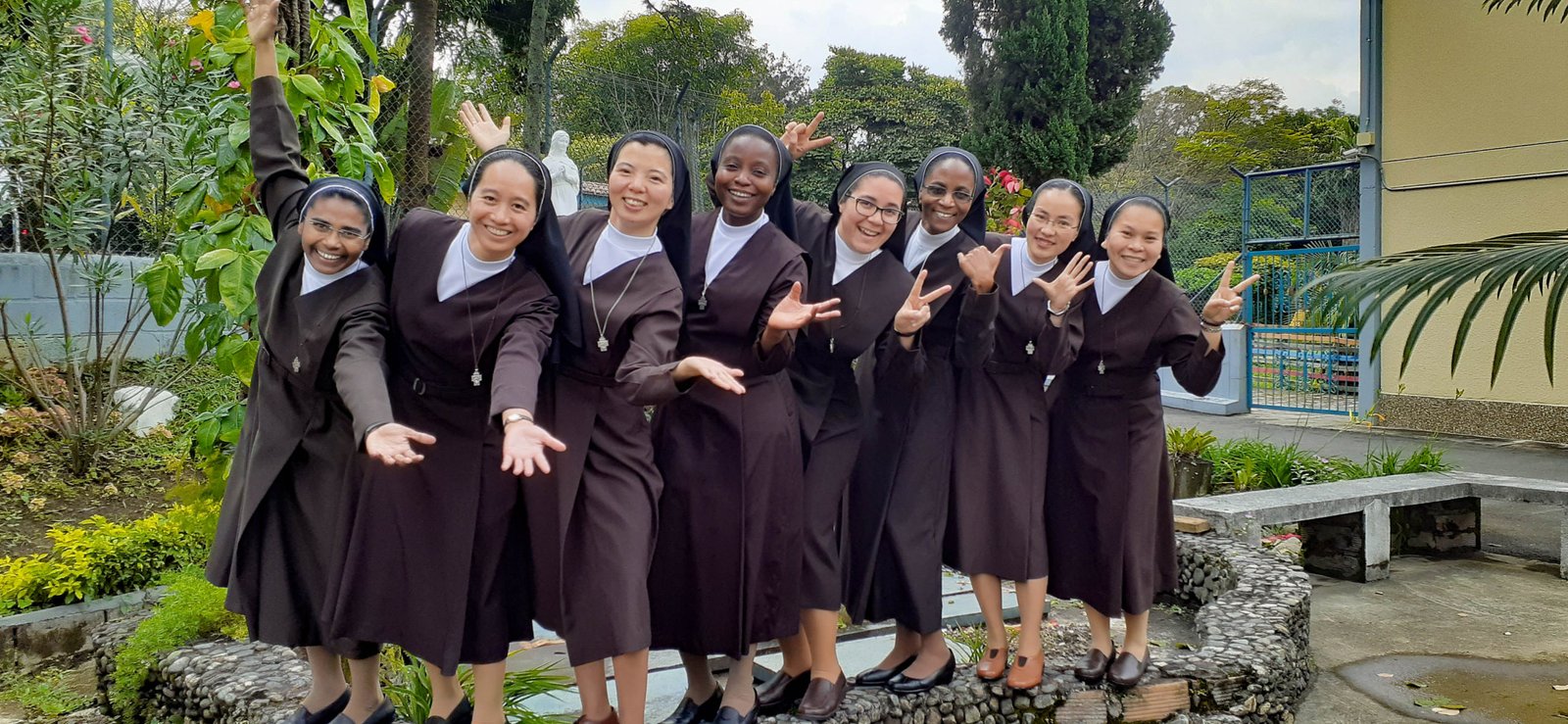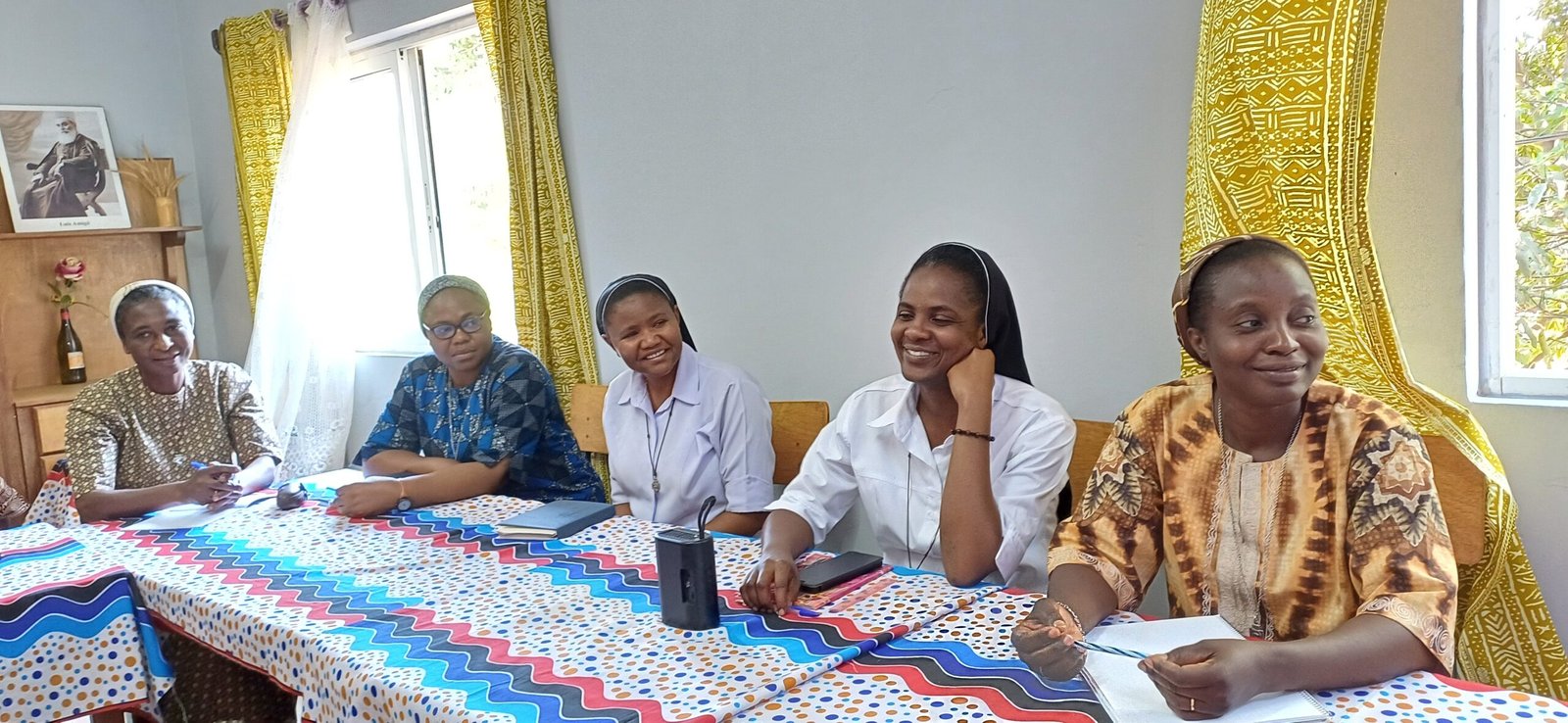




The Church’s mission unfolds within the living fabric of history. Every age presents new realities and challenges that call for profound reflection and courageous responses in our pastoral work. At this time, Pope Leo XIV’s recent encyclical, Magnifica Humanitas, calls us to safeguard, care for and protect the human person in the age of artificial intelligence. From this perspective, we are called to rediscover the value and necessity of living our mission through a threefold, urgent invitation: to evangelize, to bear witness and to persevere.
1. Called to Evangelize: Bringing the of the gospel
Leo XIV emphasizes that God’s plan continues to unfold in today’s technological context. The call to evangelize in the twenty-first century is not merely a matter of using new digital channels to spread an ancient message; it means bringing the light of the Gospel into the very heart of the structures and mechanisms that shape society today, forcefully proclaiming the deepest truth about the human person in the face of the utilitarian temptation to reduce people to sets of data or instruments of production.
Recognizing the Lord as present and alive in everyday life means communicating a profound transformation that goes beyond words; it means making visible a living reality, an active hope and an unconditional love in daily life.
Evangelization is not an “optional” activity but an existential calling. Important Church documents remind us that there can be no genuine evangelization without explicitly proclaiming the name, life and promises of Jesus of Nazareth. It also entails a process of personal and communal self-evangelization so that we may be credible before the world.
2. Called to bear witness: Authenticity of life
The verbal proclamation of faith becomes barren and loses its strength and vitality without the weight of a life lived with integrity and authenticity. In an environment saturated with virtual realities and prefabricated truths, witness becomes the highest confirmation of the mission. Drawing on the teaching of Leo XIV, the Church continually reminds us that the effectiveness of evangelization does not depend on digital marketing, sophisticated communication strategies or influence on social media. The strength of proclamation lies in the authenticity of a personal encounter with God, cherished in the silence of the heart.
Christian witness today is measured by our ability to reflect the beauty of humanity wherever it is in danger of fading. Bearing witness means actively defending the dignity of the most vulnerable against new forms of exclusion, economic marginalization and imbalances of power generated by the digital divide. The mission gains credibility when believers do not conform to the logic of performance or immediate success, but show, through concrete gestures of compassion and physical closeness, that freely given love and genuine fraternity are possible.
Witness has a central role: it is not merely a supporting tool for evangelization but a legitimate and effective way of communicating faith. Inspired by the example of Nazareth and the Franciscan spirituality of minority, our witness finds expression and credibility when we make ourselves little and become servants of all.
3. Urged to remain steadfast perseverance
The theology of mission is not a complacent theory; it is a call to effort, steadfastness and perseverance, to a pastoral conversion requiring ascetic discipline, formation and boldness. In his encyclical, Pope Leo XIV emphasizes the need to overcome both passive indifference and mere charitable assistance. Ethical commitment today demands a major intellectual and practical effort: an open and rigorous dialogue among theology, the applied sciences and technology industries in order to humanize progress.
This missionary effort takes practical shape in applying the principles of solidarity and subsidiarity to technological development. It means working tirelessly so that automation serves the common good and liberates human beings, rather than making work more precarious or alienating consciences.
Perseverance in our charism is closely linked to the boldness, willingness to take risks, compassion and spirit of sacrifice that characterized our Father Luis Amigó: going out “to seek,” rather than simply “to wait.”
Our missionary work is defined by refusing to give up and always going out to meet the most vulnerable. Walking alongside those who live in situations of hardship and poverty challenges us to cultivate deep emotional and spiritual resilience.
Conclusion: Towards a mafnificent humanity indwelt by god
The evolution of today’s world is not governed by an inevitable destiny or a blind force. The future of our society depends on the ethical and spiritual decisions we make today. The theology of mission, enriched by the perspective of Magnifica Humanitas, reminds us that our task is not to flee a technologized world but to inhabit it with the power of the Holy Spirit.
Evangelizing the existential and digital peripheries, bearing witness through a coherent life, and working and persevering for a more just social order are the three pillars of our response to Christ’s command. Only in this way, by uniting deep faith with decisive action, will we be able to offer the women and men of our time the greatest certainty: that beyond any algorithm, the beauty of a magnificent humanity shines fully only when it is inhabited by the love of God.
Sr. Isabel Valdizán Valledor