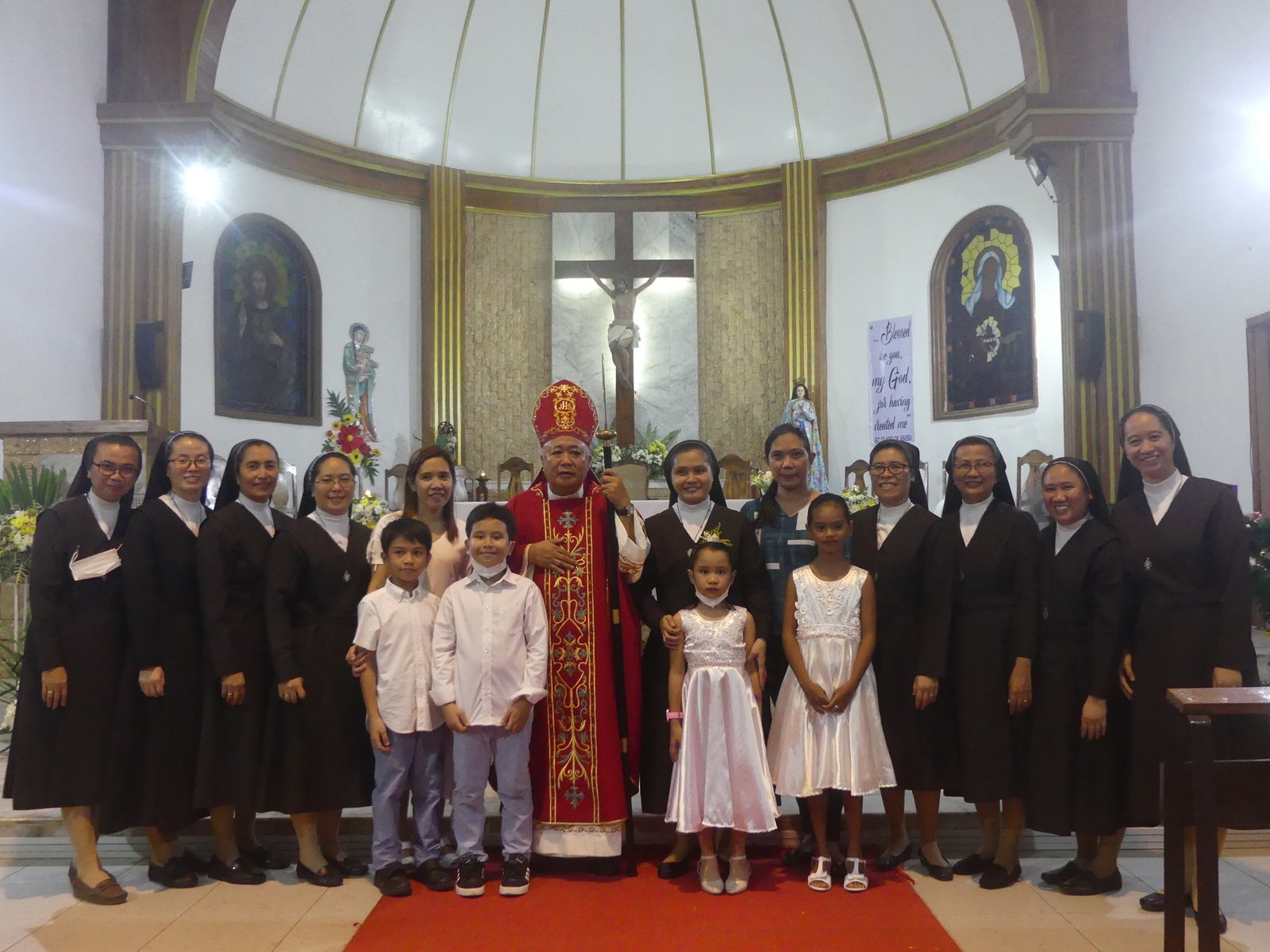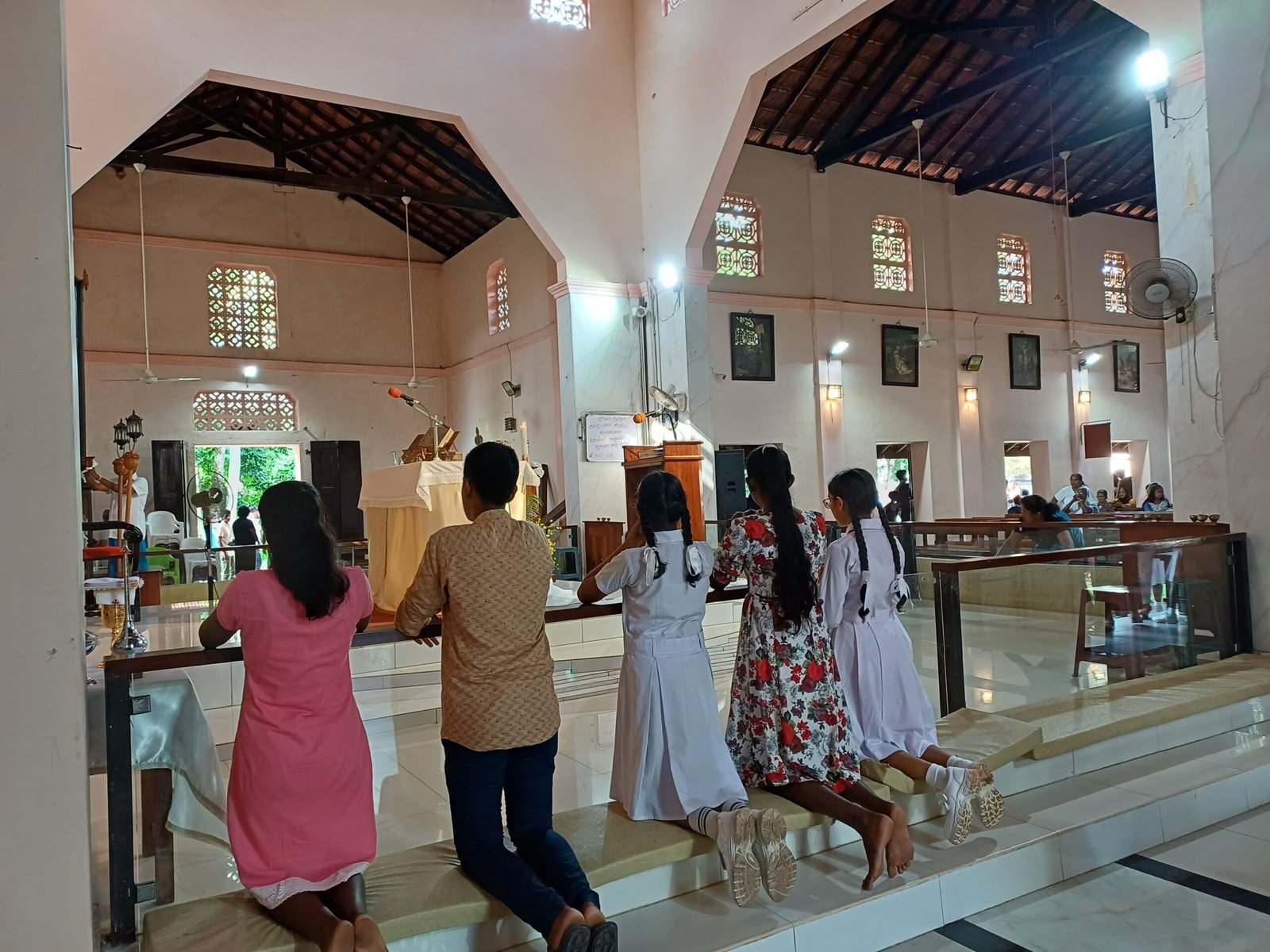



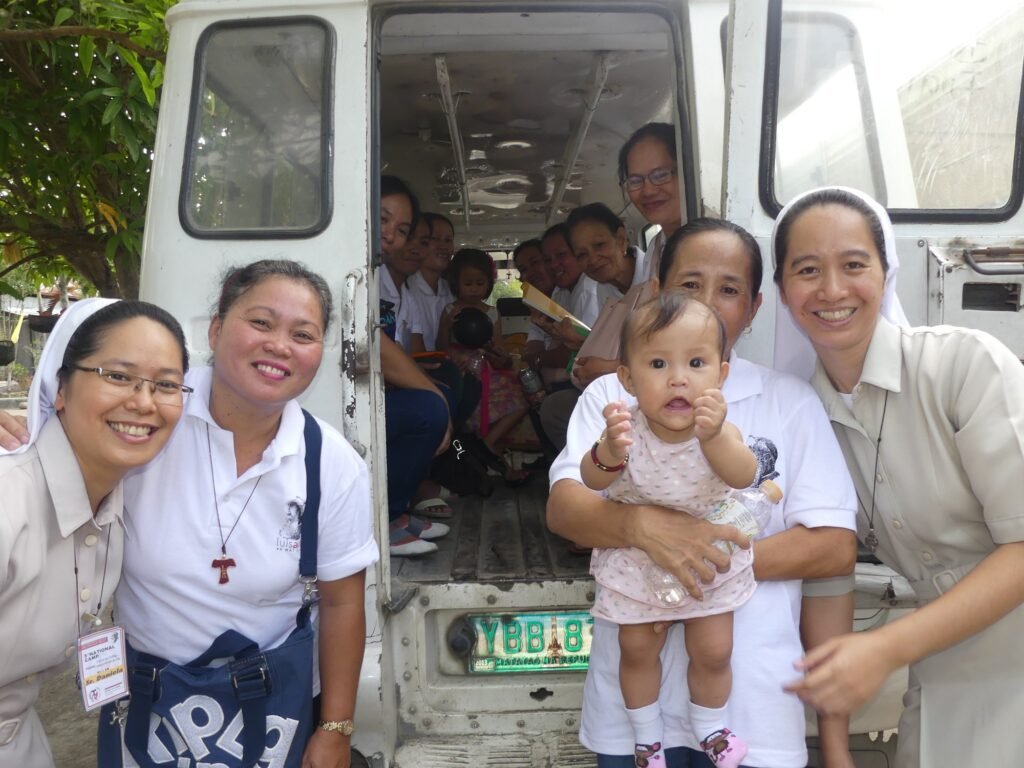
“The attention and accompaniment of families, welcoming their diversity and complexity in today’s world, making family ministry the transversal axis of all our pastoral ministries.” (XXIII General Chapter No. 5 Nucleus: Care for our charisma, Action No. 4)
“Walking with families” is a challenging and fulfilling mission for us, Capuchin Tertiary Sisters of the Holy Family. We cannot do away with it since in every apostolic work we are doing with the girls in our centers, with our students in the schools, with the sick and the elderly, with the young ladies in our dormitory, with our scholars, with our staff and lay partners even with the members of the Lay Amigonian Movement and with our own sisters, we are not only dealing with individuals per se but also with the people closest to them who influence who they are and who they can be.
Thus, it is important to solidify our identity individually and as a community. We have our model the Holy Family of Nazareth: Jesus, Mary and Joseph, whose love, spirit of prayer, openness to the will of God and family life we must emulate. We have St. Francis of Assisi whose poverty, humility, simplicity, joy, trust in divine providence, attitude of continuous conversion and universal fraternity, we try to incarnate in our daily living. We have Father Luis Amigo who exhorts us to see and accept our sisters as gift of God, ”to have a close unity, since in it is the secret of strength… to be the support of each other, bearing each other, and overlooking the natural defects of others.”
We cannot give what we do not have. What we live and experience manifest in our words and actions. People around us can perceive our being and our doing… our being must be reflected in our doing and our doing must be fueled by our being.
How can we understand the behavioral problems of the girls in our centers if we do not know the experiences they have in their own families or their proxy families? How can we know better our students if we do not dialogue with their parents? How can we heal the sick and comfort the elderly if we cannot attend to their spiritual and emotional needs mostly influenced by their immediate families? How can we support and encourage our sisters and staff if we are totally indifferent to what had happened and is happening in their families? How can we strengthen the commitment of our lay Amigonians if we ignore the realities and challenges within their families? Thus, accompanying the persons we are directly working with means also simultaneously accompanying their respective families, giving them formation means also giving meaning and direction to the significant persons in their lives, touching their lives through the testimony of our personal relationships with God, with our sisters and with other people coming in contact with us. We reflect and radiate the love, joy and respect we have in our communities/fraternities though we have different ages, temperament, upbringing, cultures and we try to bring peace and reconciliation with those who have different beliefs and religions.
Listening… being present and available … accompanying… offering whatever help we can extend, giving testimony of God’s love, what faith and prayers can do, sharing our vulnerabilities and difficulties, giving them hope that after every storm, the sun will rise again, these are some practical ways that we can offer automatically because it is innate in us, something that we experience in our journey individually and as a community. And as consecrated women, bringing them and their families to a closer relationship to a loving and forgiving God is our main task, making them realize that God should be in the midst of their relationship.
At the end, though it seems that we are the ones “giving” to the families, the truth is that we are “receiving” also a lot from them, learning from and with them. It gives us the opportunity to go out from our comfort zones and to live simply and in solidarity with most of our people especially those in the peripheries. The pastoral care for the families is an occasion for us to share who we are and what we have. Every single effort is valuable since “Family is the greatest treasure of every country” (Pope Francis’ message to Filipino families January 16, 2015) and every effort of pastoral care is of fundamental significance because the future of the world and the Church passes through the family.
Hna. Editha O. Dellosa