Categorías
Últimas Noticias

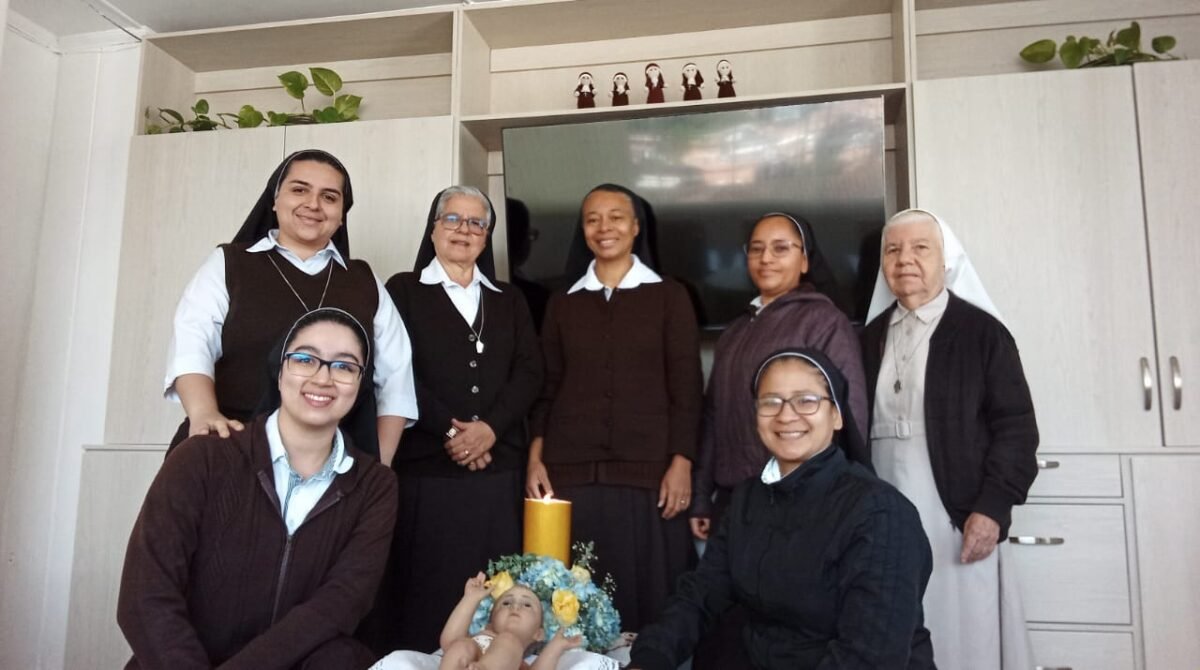
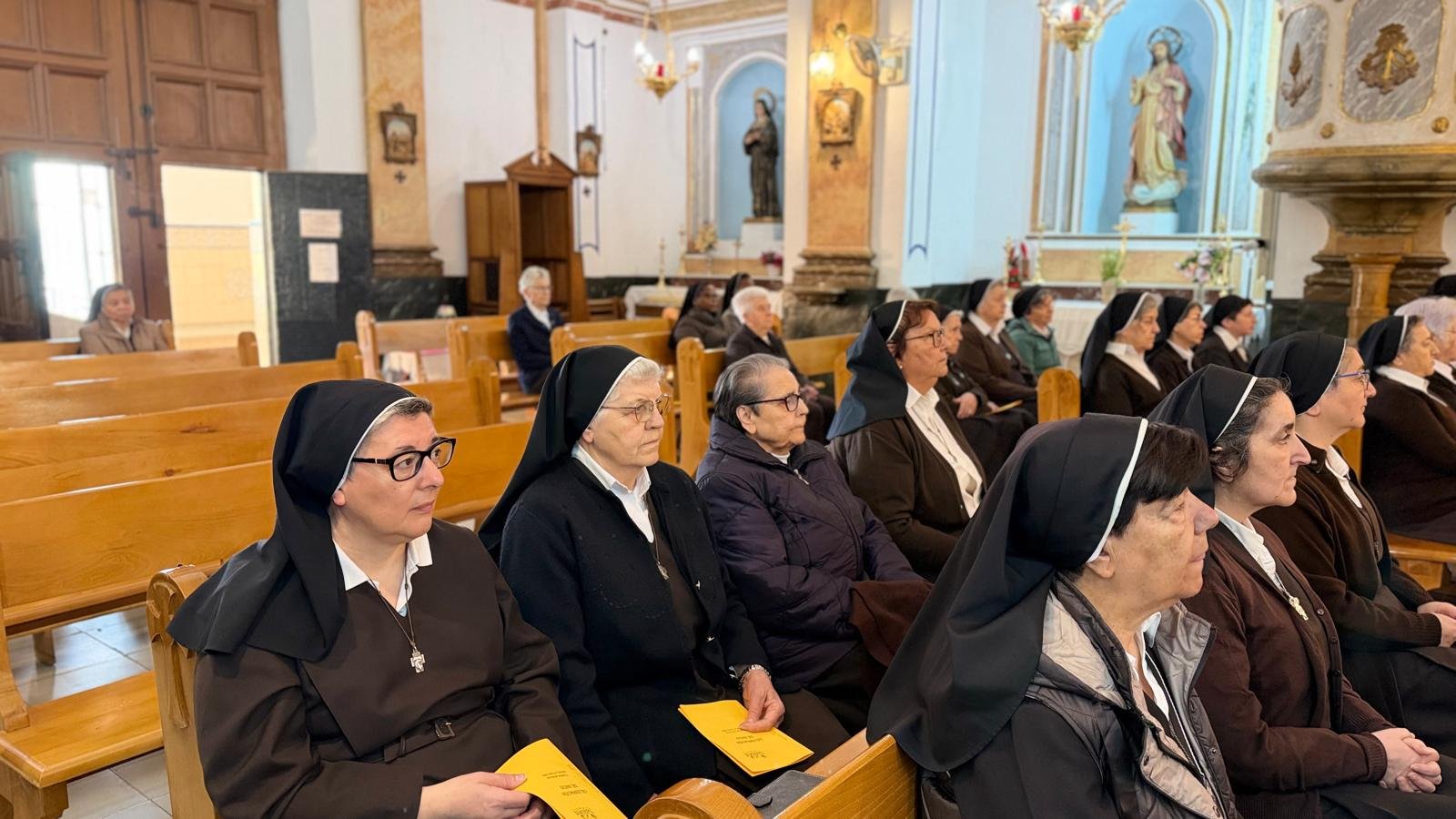
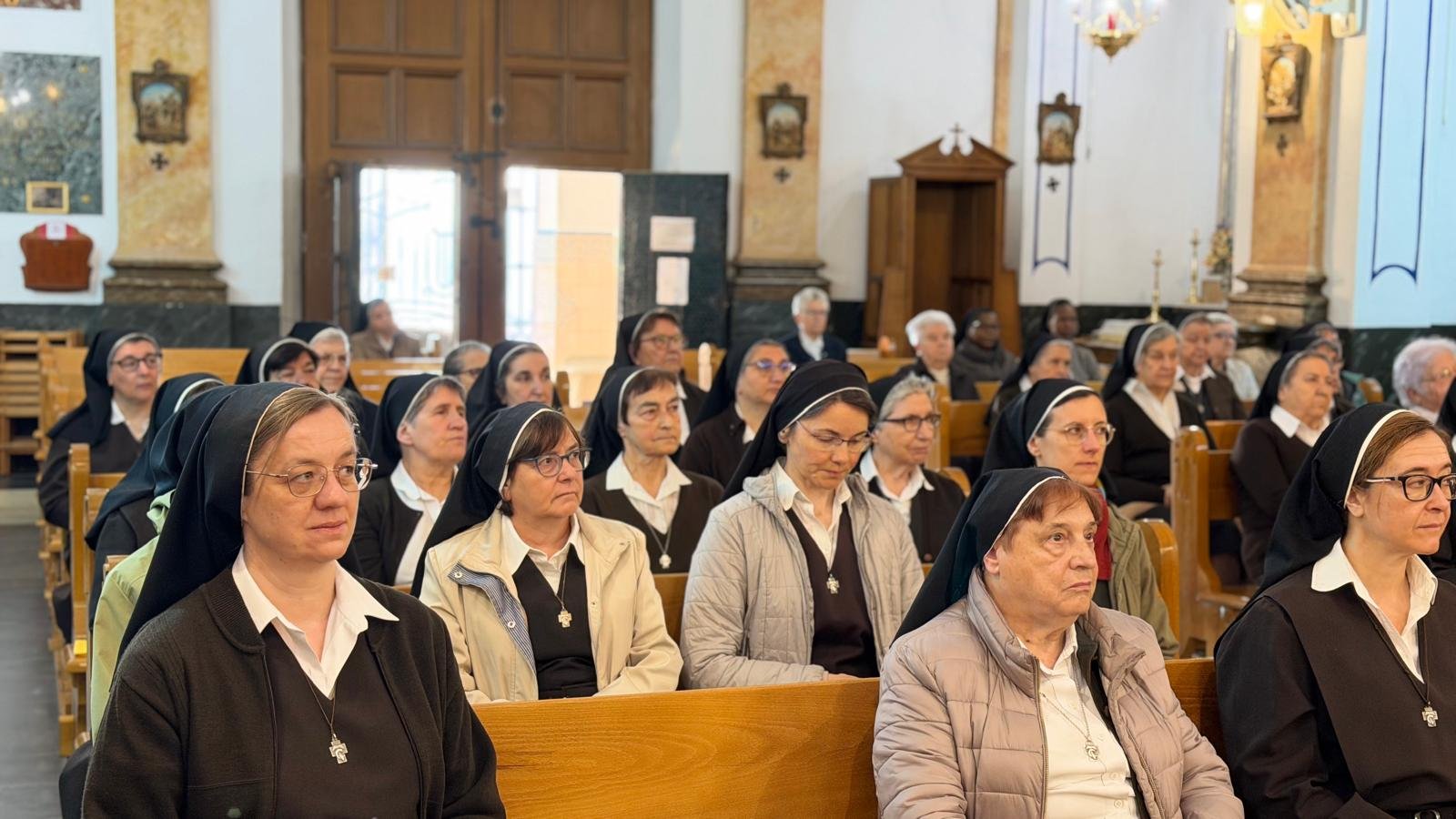
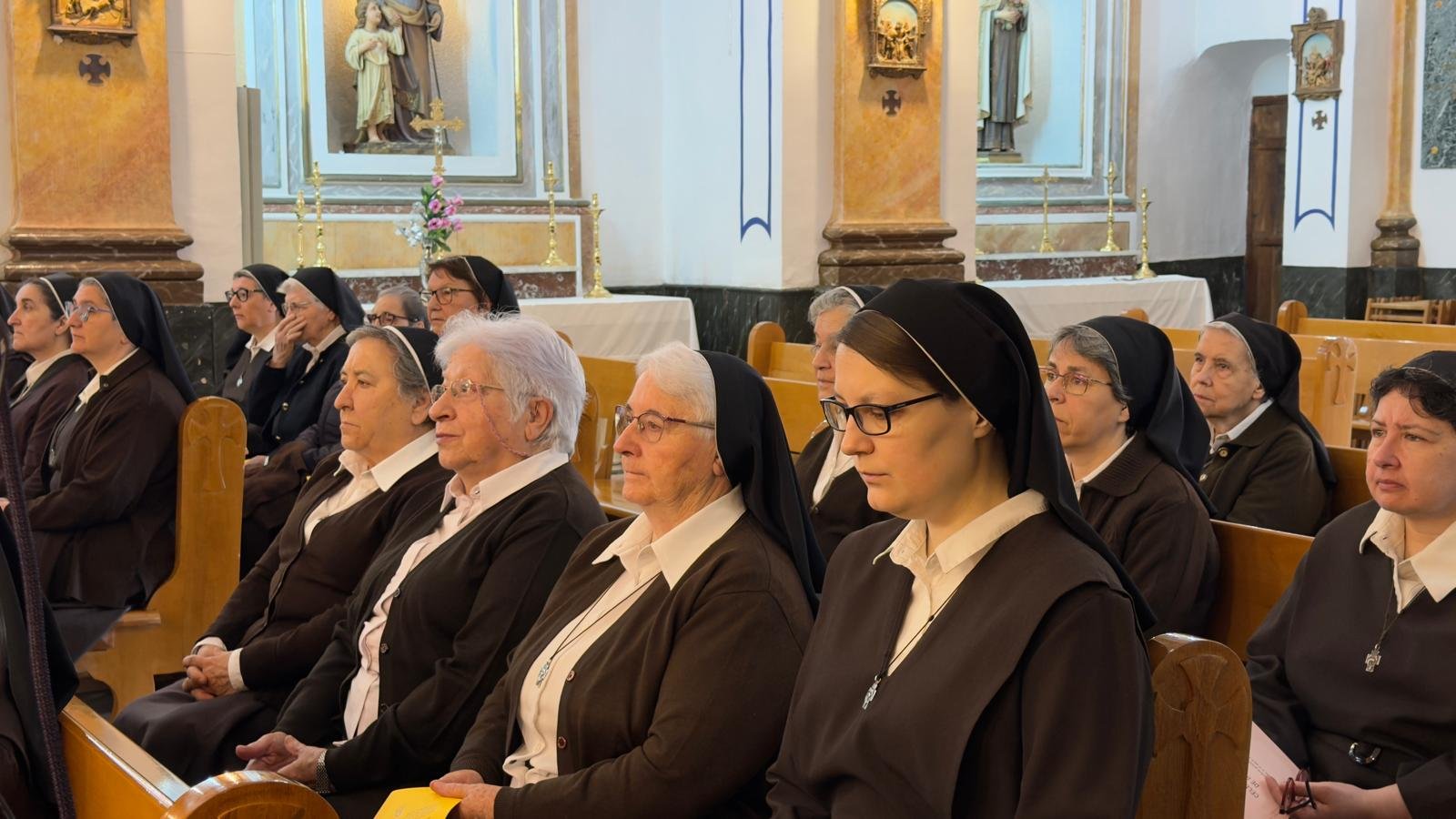
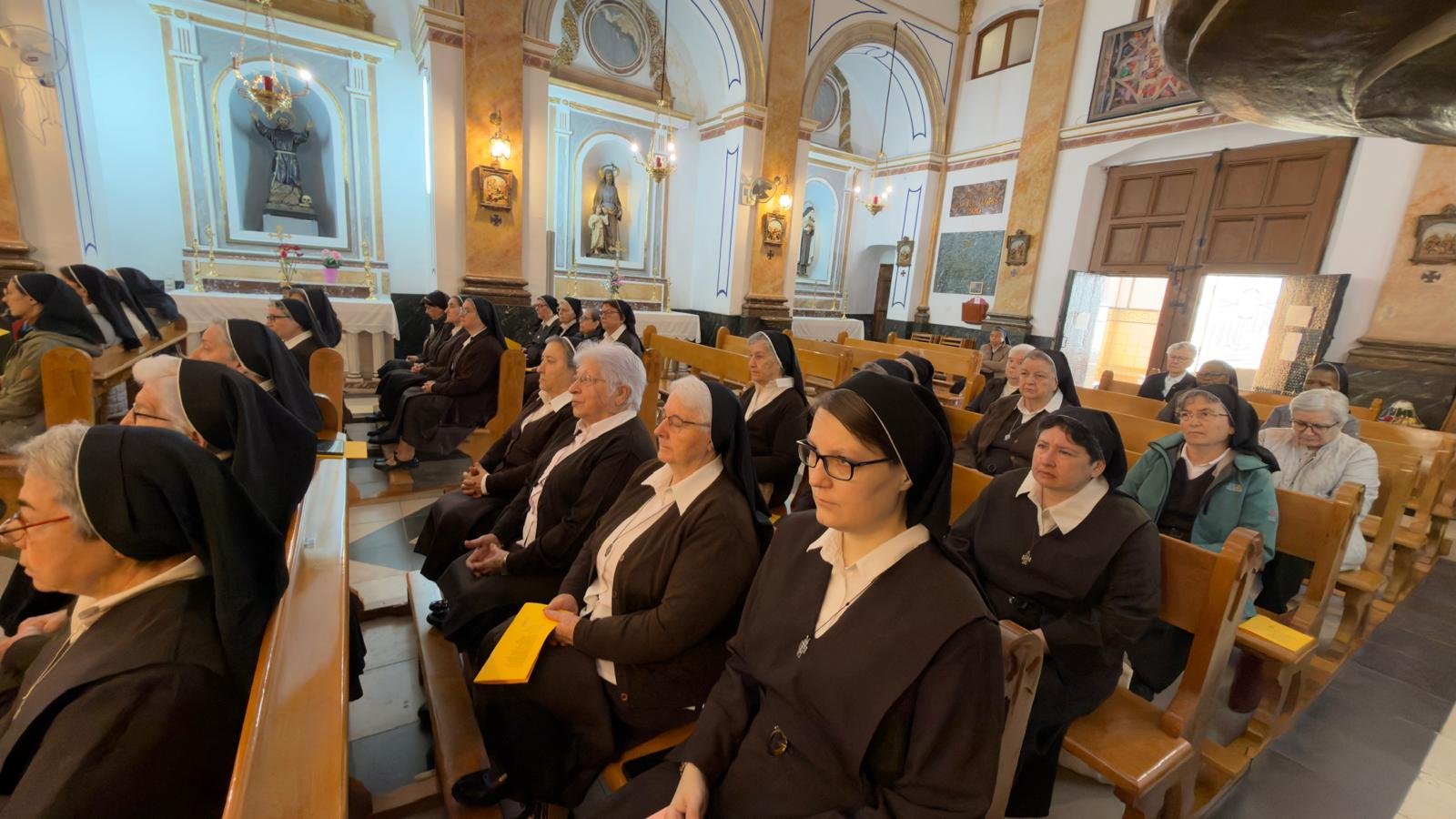
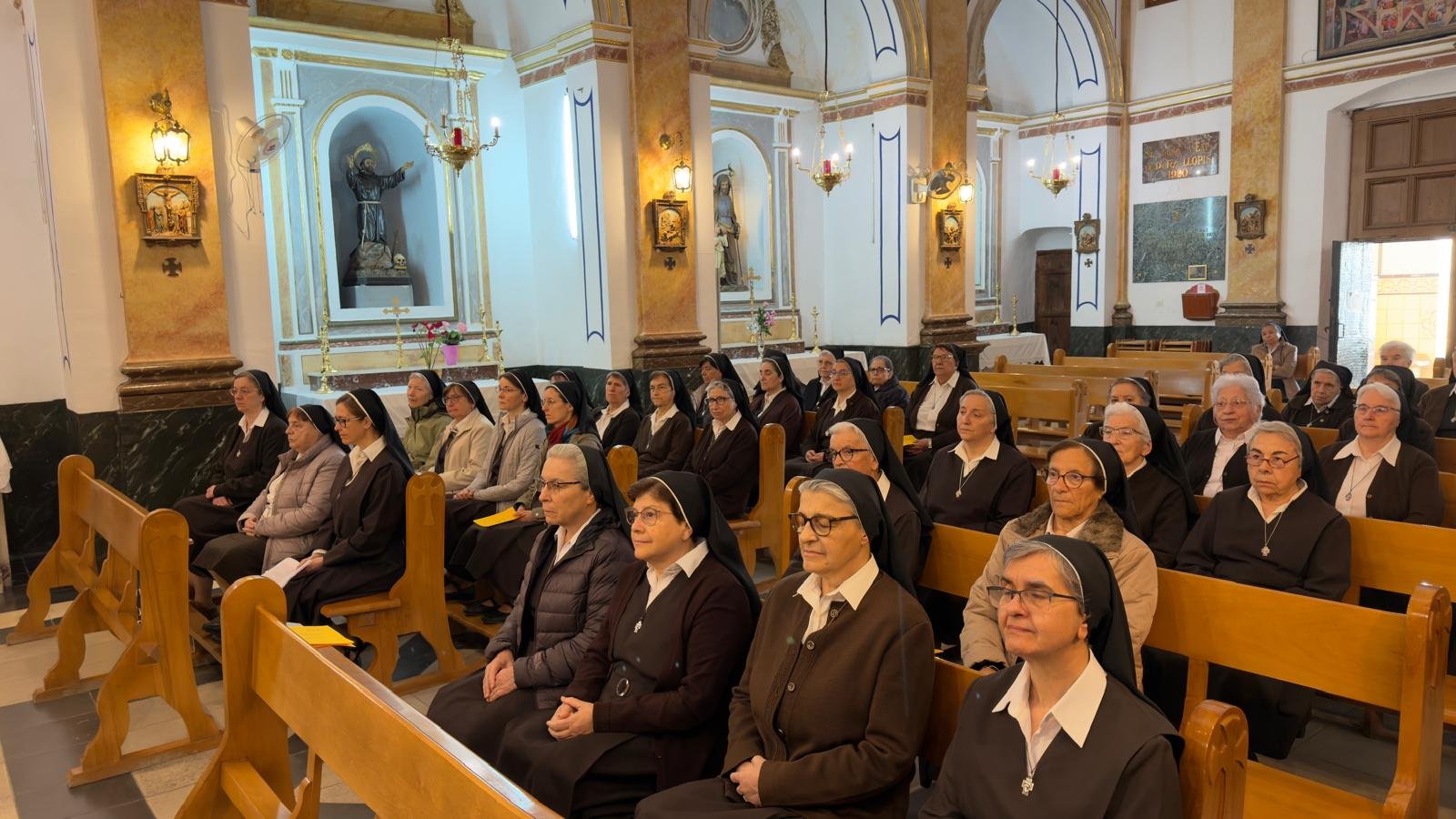
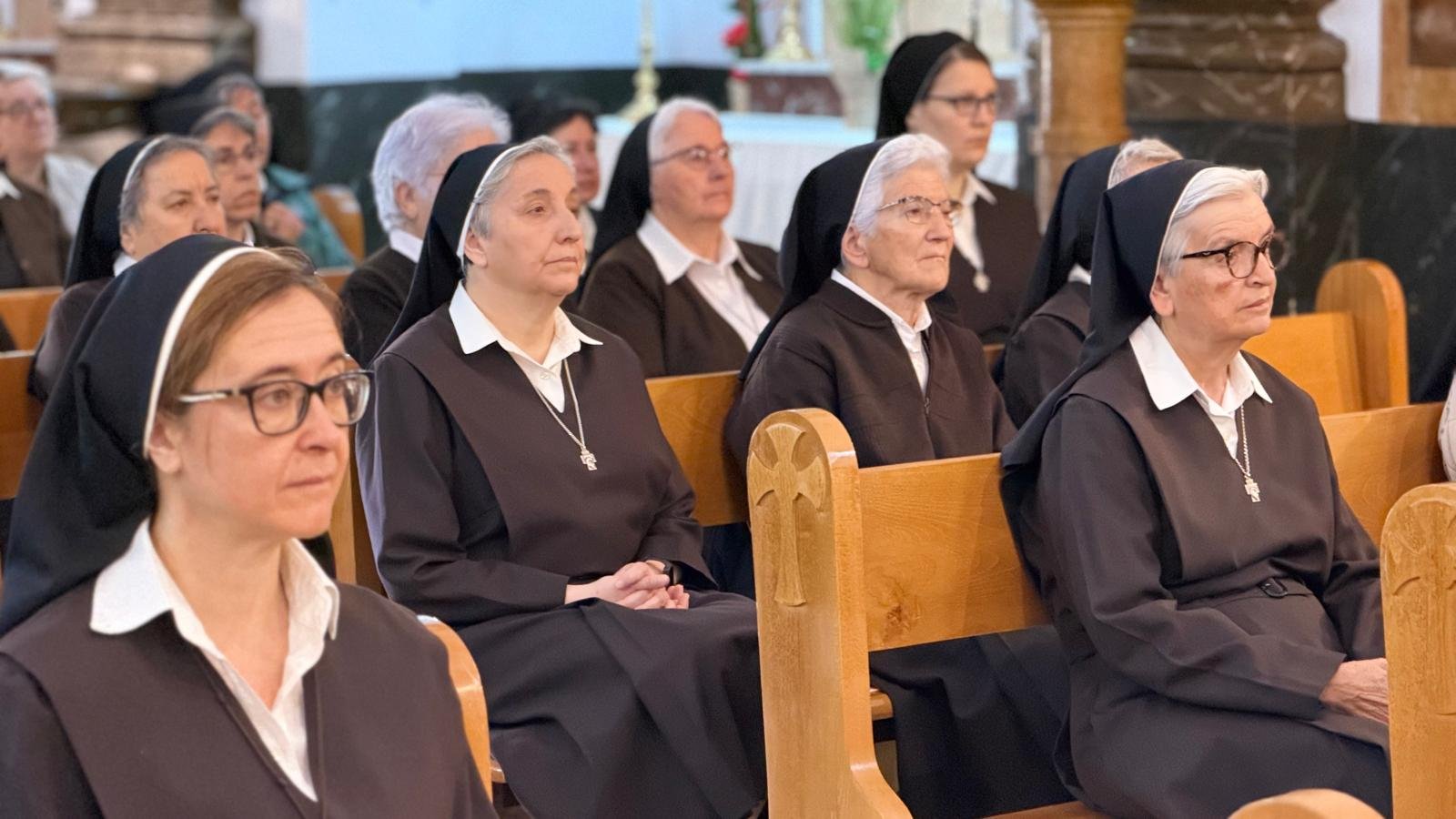
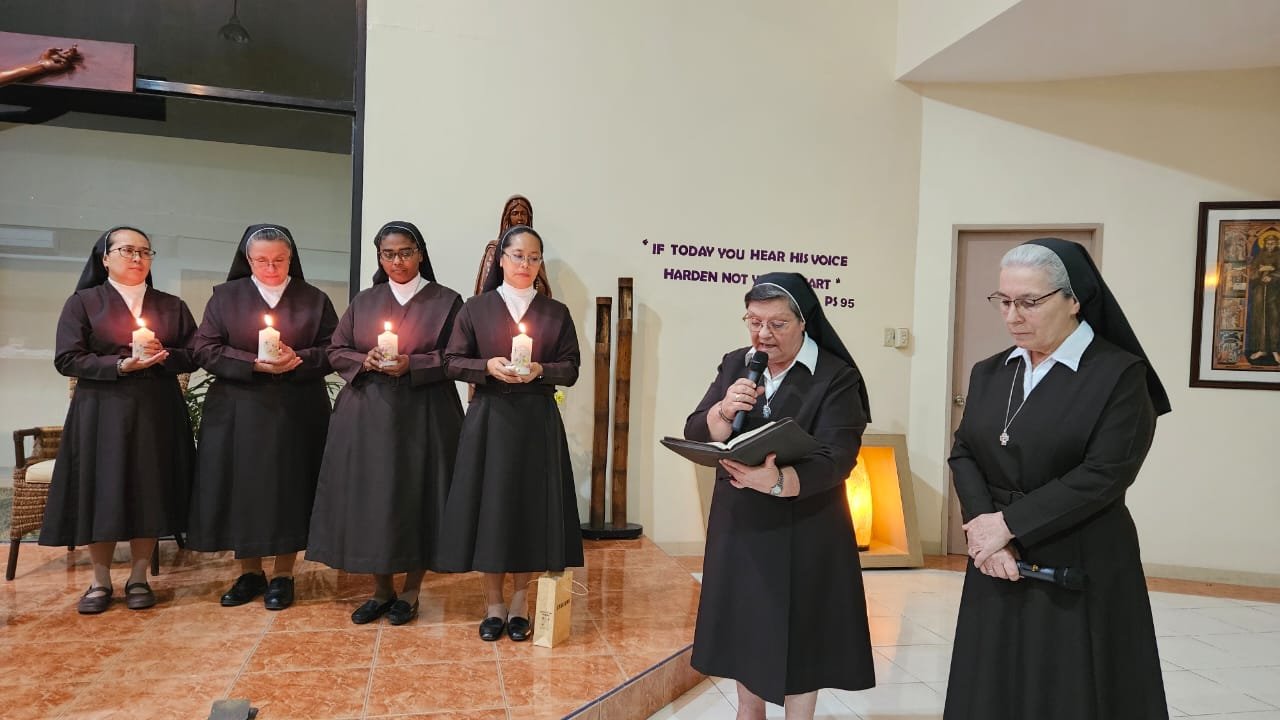
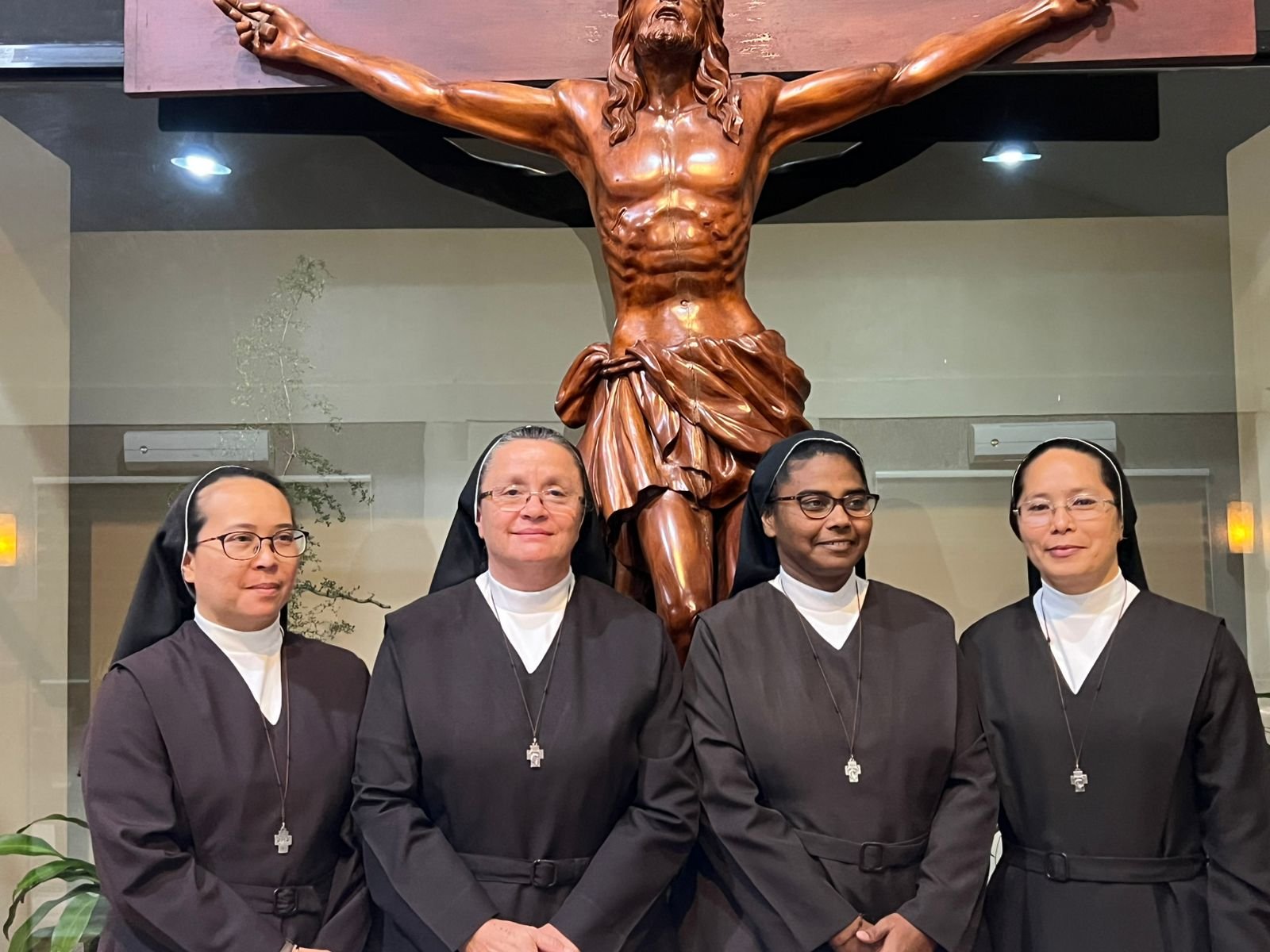
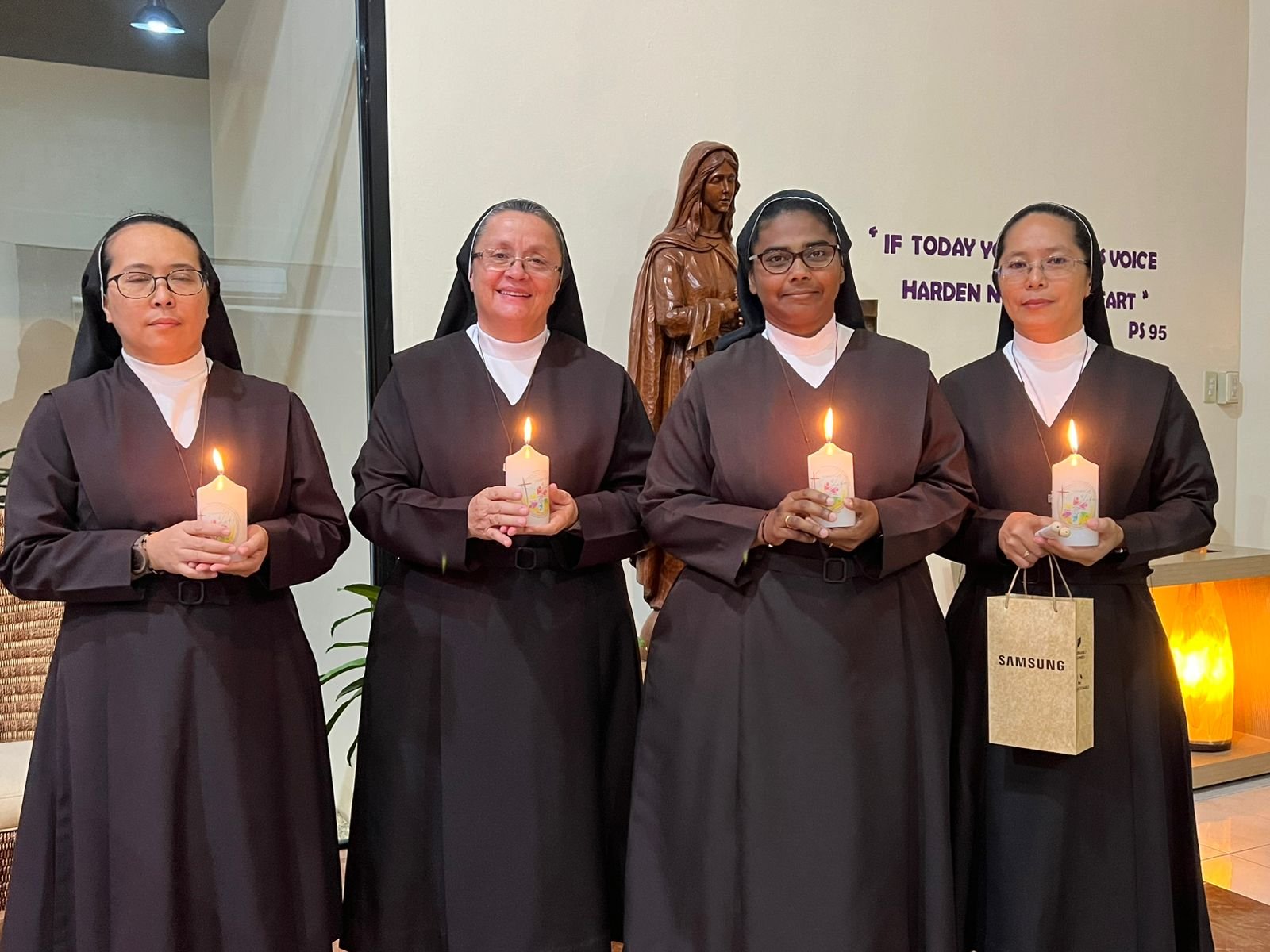
THE PROVINCE “OUR LADY OF DIVINE PROVIDENCE” BEGINS THE 2026 PROVINCIAL CANONICAL VISIT WITH HOPE

“Therefore encourage one another and build each other up, just as in fact you are doing” (1 Thess 5,11).

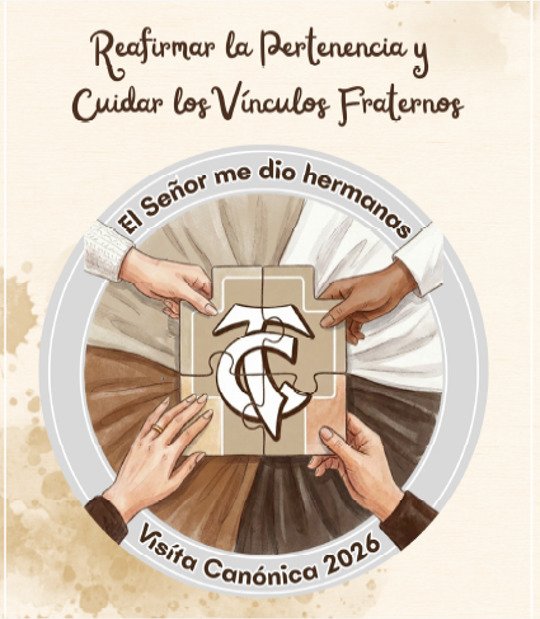
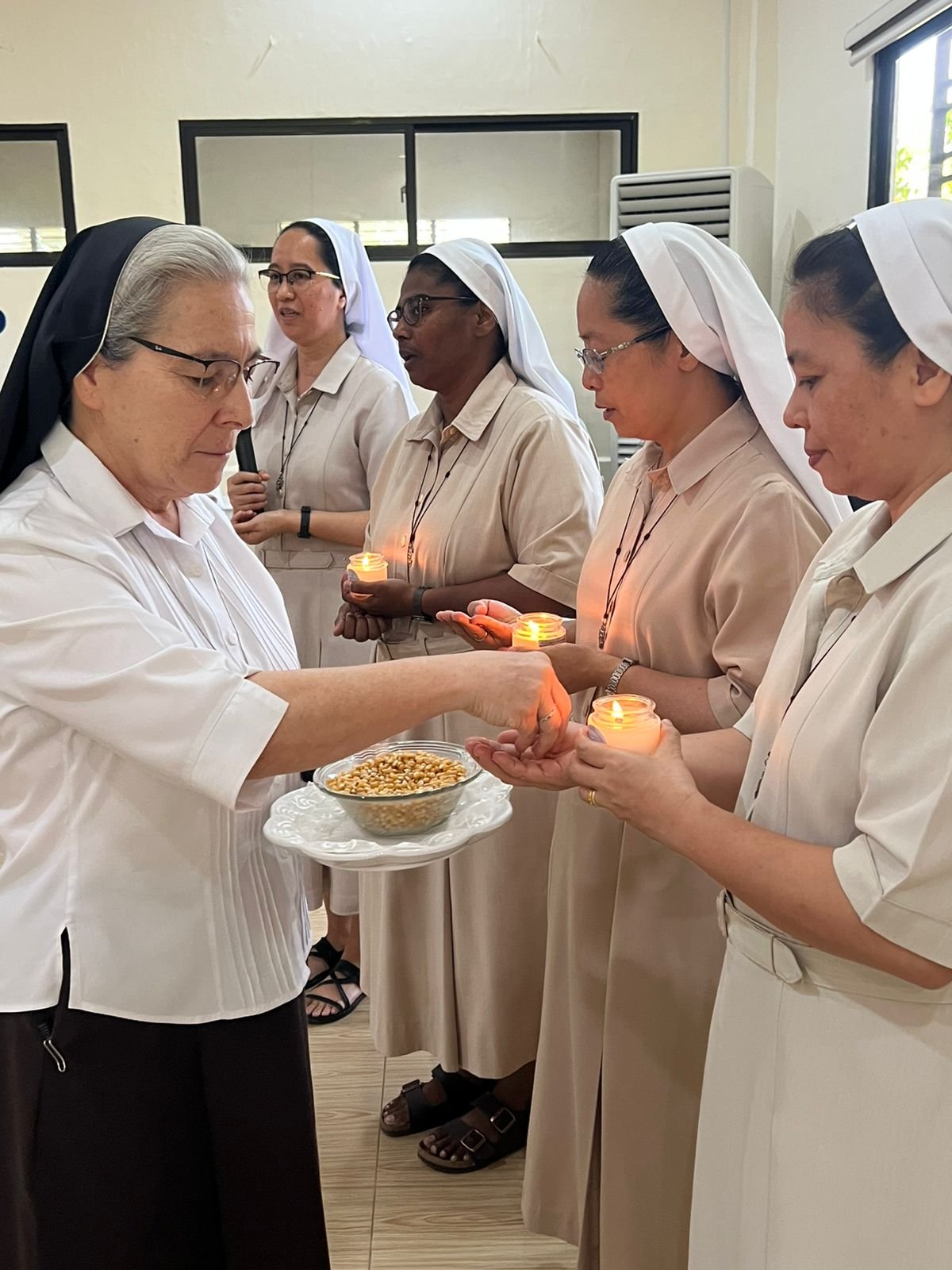
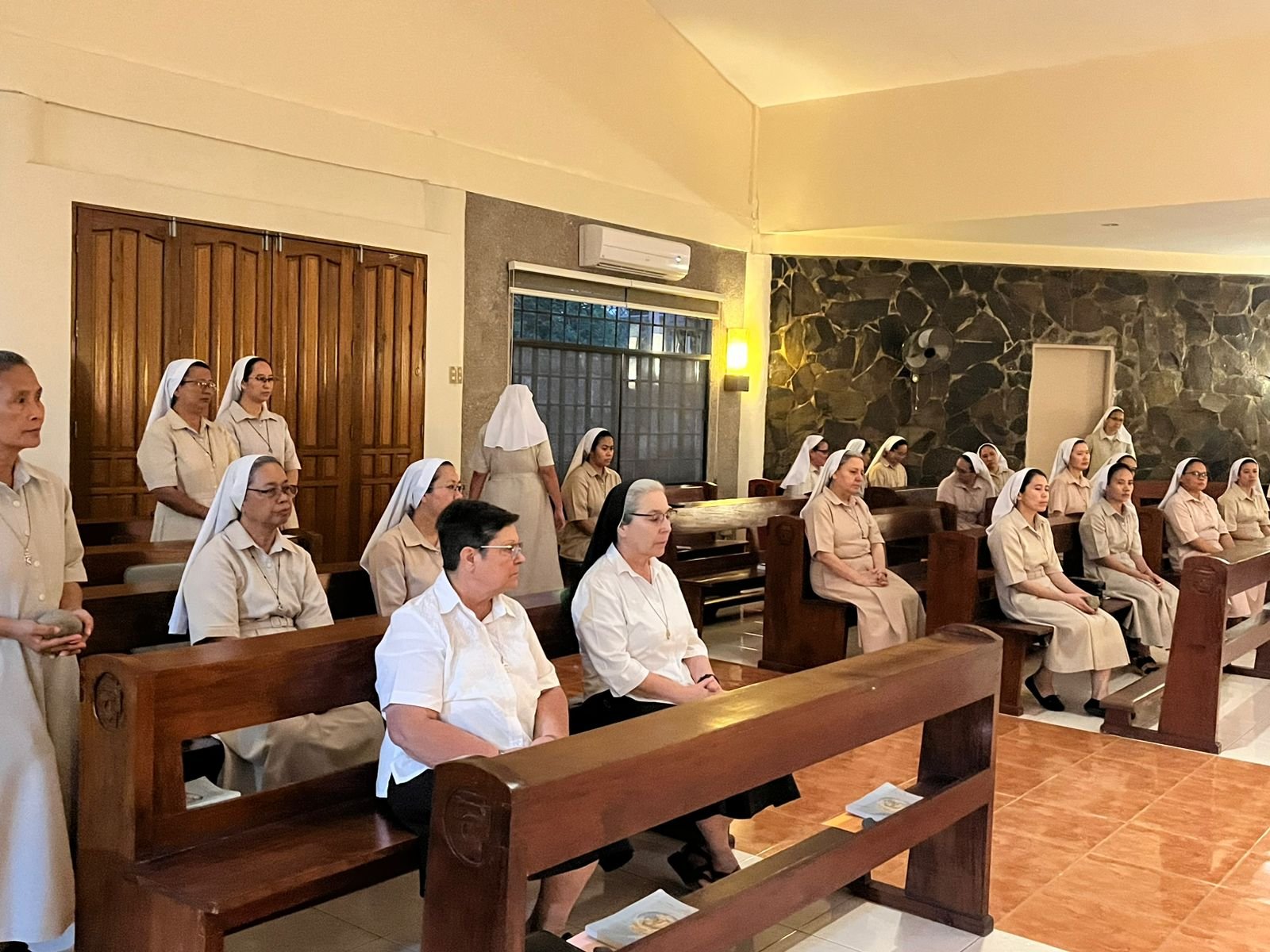
Within the context of the last day of Ordinary Time and on the eve of the Lenten journey, the Province “Our Lady of Divine Providence” has been called to live the 2026 Provincial Canonical Visit, which will take place from March 5 to August 28, 2026. This ecclesial and congregational event is presented as a privileged time of grace, discernment, and renewal for all the sisters and communities of the Province.

The convocation takes place at a particularly meaningful liturgical moment, in which the Word of God invites us to reread the path already traveled and to prepare our hearts for the strong season of Lent. Within this spiritual horizon, the Canonical Visit becomes an opportunity to refine our listening to the Lord, to recognize His presence in personal and communal history, and to open ourselves to a daily conversion that strengthens fraternal life and the entrusted mission.

A TIME OF GRACE FOR ENCOUNTER AND DISCERNMENT

Enlightened by the exhortation of the Apostle Paul to encourage one another and strengthen faith, the sisters of the Province are called to live this Visit as a true process of accompaniment, encouragement, and review of personal and community life. Beyond its juridical dimension—established by the Code of Canon Law and by the proper law of the Congregation—the Canonical Visit is desired to be lived above all as a close, fraternal, and deeply spiritual space, where sincere dialogue and mutual listening allow for reaffirming fidelity to the Gospel, rejuvenating fraternal life, and renewing commitment to the mission.

Inspired by the Amigonian Franciscan spirit, special care will be given to fostering an atmosphere of prayer, welcome, participation, and trust, encouraging personal and community growth at all levels.

THE INVITATION IS TO:

Prepare the heart with faith and openness to God’s will, allowing oneself to be challenged by His Word, by people, by events, and by the realities that shape daily life. It is about recognizing in all of this concrete calls to conversion, to care for life, and to a hope that becomes testimony.

Objectives:

  • To foster moments of encounter with God in prayer, with the sisters, and in daily life, in order to promote greater mutual knowledge and understanding of the apostolic work.
  • To deepen the theme, “Reaffirm belonging and care for fraternal bonds,” by sharing lived experiences of daily life, cultivation, and care.
  • To create spaces for open communication that encourage fraternal living, identifying obstacles and discerning the good leaven God wishes to place in our personal and community life.
Categorías
Últimas Noticias

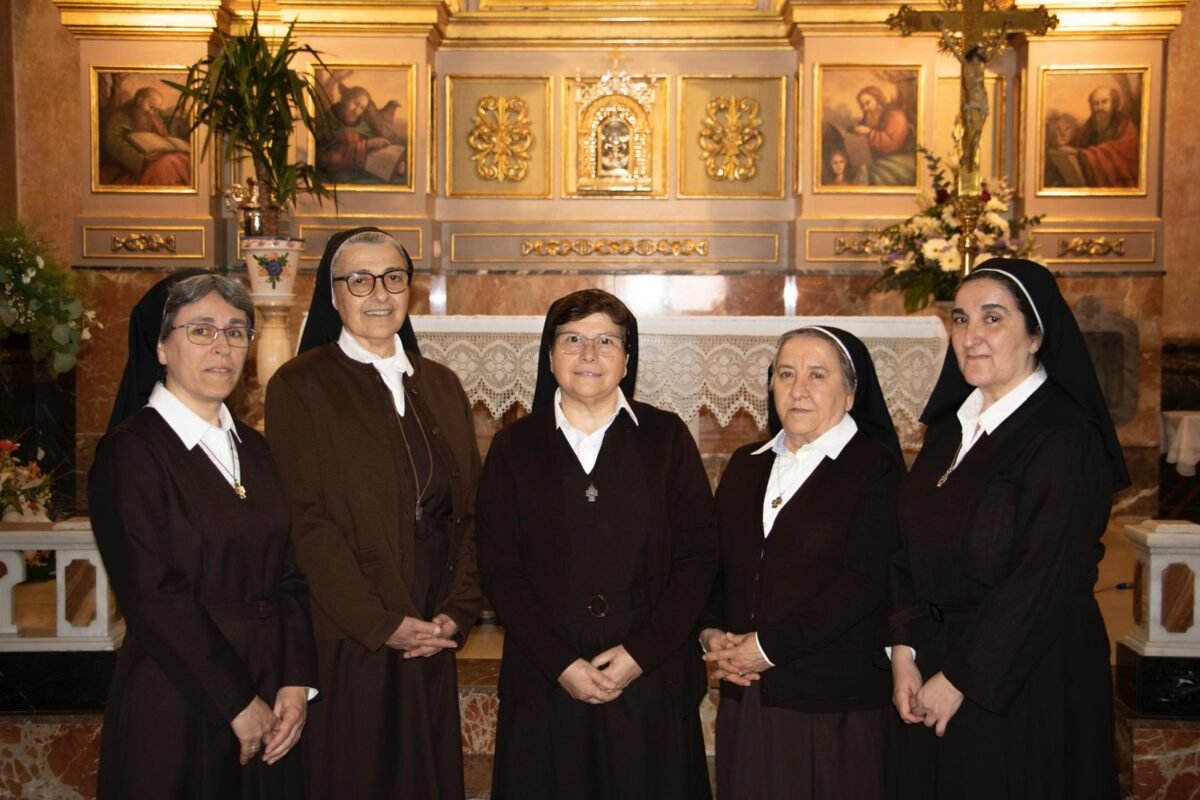
NEW PROVINCIAL COUNCIL OF THE NAZARET PROVINCE

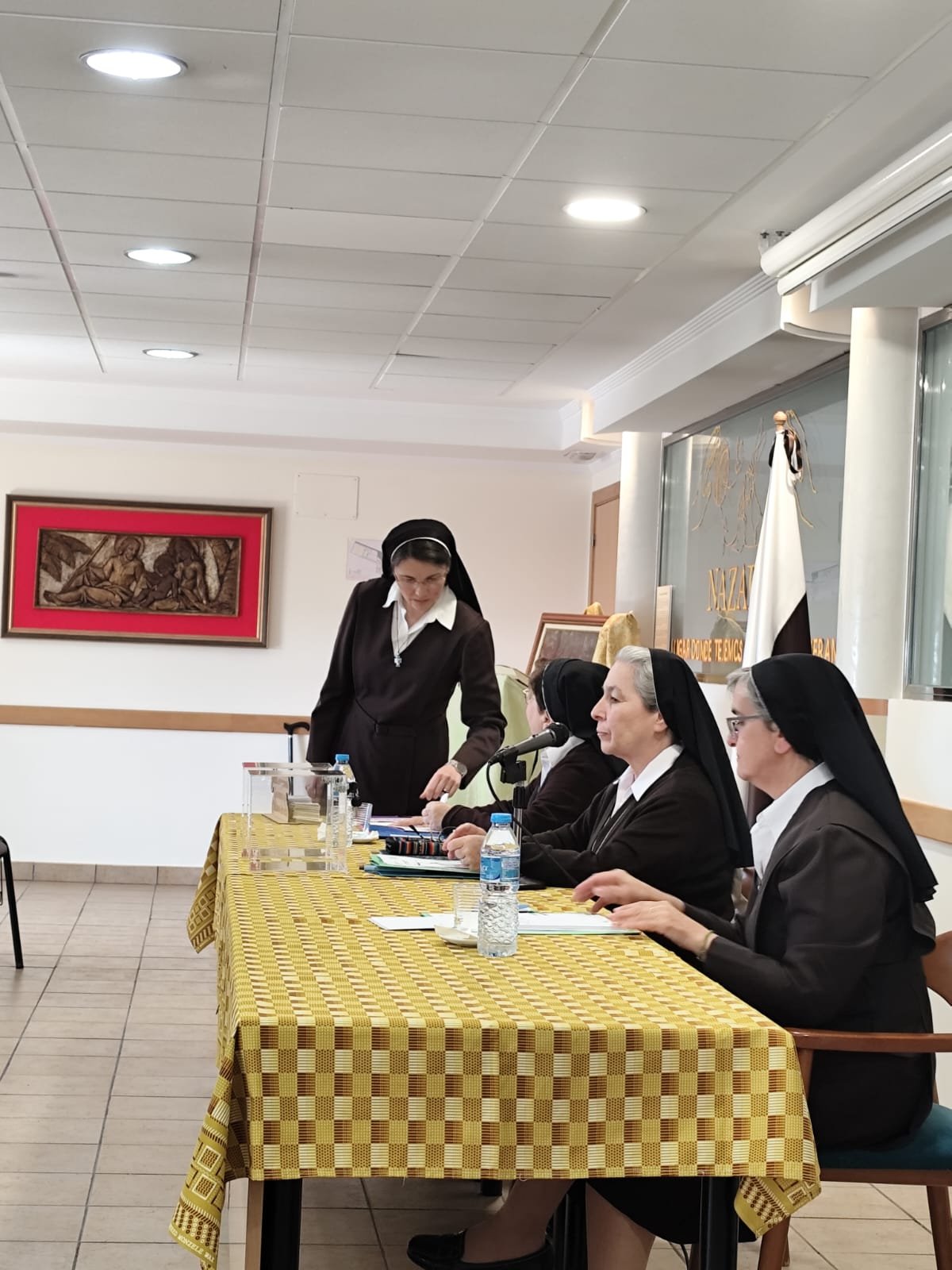
With joy and hope, we share the election of the new Council of the Nazaret Province for the 2026–2029 triennium, which took place during the celebration of the 5th Provincial Chapter, an event that marks a new time of service, communion, and commitment to the shared mission.

The new Provincial Council is composed as follows:

  • Sr. Matilde Jesús Mena Moreno, Provincial Superior
  • Sr. Cecilia Pasquini, 1st Councillor – Vicar
  • Sr. Regina del Peral Budia, 2nd Councillor
  • Sr. Lourdes Crespo Antolín, 3rd Councillor
  • Sr. Manuela del Pilar Pérez Hervás, 4th Councillor

In an atmosphere of faith and discernment, the Province has experienced this process as an opportunity to renew its commitment to the service of the Gospel, trusting in the guidance of the Holy Spirit.

We entrust the mission of the elected sisters to the protection of the Holy Family, asking that they accompany them in their service of leadership, governance, and fraternal closeness during this new triennium.

May this time be fruitful in hope, unity, and commitment.

Likewise, we express our sincere gratitude to the outgoing Provincial Council for their generous service, dedication, and commitment during the concluding term.

Categorías
Artículos

Interculturality and Human Rights: Towards peaceful co-existence

In today’s world, people from different cultural backgrounds interact more frequently than ever, largely through communication and online networks. This has led to societies in which diverse traditions, beliefs, and values coexist. While this diversity enriches and enhances communities, it can also lead to misunderstandings and conflicts if it is not approached with respect, openness, and acceptance. Two important concepts help address these challenges: interculturality and human rights. Together, they promote understanding, dignity, and peaceful coexistence among individuals and communities.

Interculturality refers to interaction, dialogue, and mutual enrichment among cultures. Rather than forcing one culture to dominate or expecting individuals to abandon their cultural identities, interculturality encourages respect for diversity while promoting meaningful exchange between cultures. It recognizes that each culture has unique traditions, values, and perspectives that contribute to the overall human experience. Interculturality goes beyond simply recognizing inherent human rights; it involves identifying with others and putting oneself in their place. In an intercultural perspective, no one considers themselves superior; instead, each person accepts and values the uniqueness of others as a richness.

Through intercultural dialogue and peace-building conversations, people have learned to value differences instead of fearing them and to overcome cultural prejudices. Each individual maintains their own cultural identity while remaining open to learning from others. This openness helps reduce prejudice, stereotypes, and discrimination. Interculturality thus promotes respect, understanding, and cooperation among diverse communities.

Human rights, on the other hand, are universal principles that protect the dignity of all people. They play a fundamental role, as they represent basic freedoms and protections that belong to everyone, regardless of culture, religion, nationality, or social status. They are inherent to human beings; they are part of our nature and develop as we grow. Our very nature leads us to recognize the value of those around us, regardless of their cultural background.

The Universal Declaration of Human Rights, adopted in 1948, establishes a common standard that guides societies to treat all people with fairness and dignity. It ensures that cultural traditions or differences cannot be used as a pretext to violate the rights of others. In this way, human rights create a moral and legal framework for peaceful societies. This declaration sets out basic rights such as equality, freedom, education, and protection against discrimination.

Both interculturality and human rights are essential for promoting peaceful coexistence. Human rights ensure respect and protection for all, while interculturality fosters dialogue and mutual understanding among cultures. When both cultural diversity and human dignity are recognized, more harmonious interactions and stronger relationships can be built. All sectors of society are encouraged to engage in respectful and open dialogue that promotes inclusive values. Schools, governments, religions, and social institutions can foster intercultural understanding by teaching respect for different cultures while emphasizing the importance of human rights.

Reflecting on this topic brings to mind the incredible experience I lived when I had the opportunity to visit Indonesia. There, I witnessed the peace that exists among people living in a country with great cultural diversity. Muslims and Christians collaborate respectfully and harmoniously for the good of their nation. I saw how they tolerate, respect, and accept one another’s differences in order to promote a more humane society and, ultimately, contribute to the country’s progress.

Personally, the experience of being sent as a missionary to at least three foreign countries has helped me understand the essence of knowing, understanding, appreciating, and accepting other cultures. Every time I left my country, I felt that my destination was not foreign to me: although I did not speak the same language and the food was very different from ours in the Philippines, I knew that we are all equal and that our differences are part of distinct geographical and political realities.

Another attitude that helps me appreciate other cultures is the willingness to set aside my own prejudices and accept the reality of the country where I find myself. I strive above all to respect the laws and policies in force and to value every experience, however difficult, because I believe that embracing interculturality and respecting human rights is a personal commitment that generates true synergy.

However, the wars currently taking place in some parts of the world show how, at times, we allow ourselves to be blinded by personal interests, the desire for domination, and the ambition for power. Unfortunately, this reality highlights a growing problem related to respect and the ability to forgive.

Peaceful coexistence does not mean the absence of differences; rather, it means living together with a spirit of respect and cooperation despite them. By embracing interculturality and defending human rights, societies can transform diversity into a source of strength rather than conflict. Together, these principles lay the foundations for a society in which people from different backgrounds can live peacefully, respecting one another and working toward a common goal: “a more humane future.”

Sister Lorena B. Sacal, TC

Categorías
Últimas Noticias

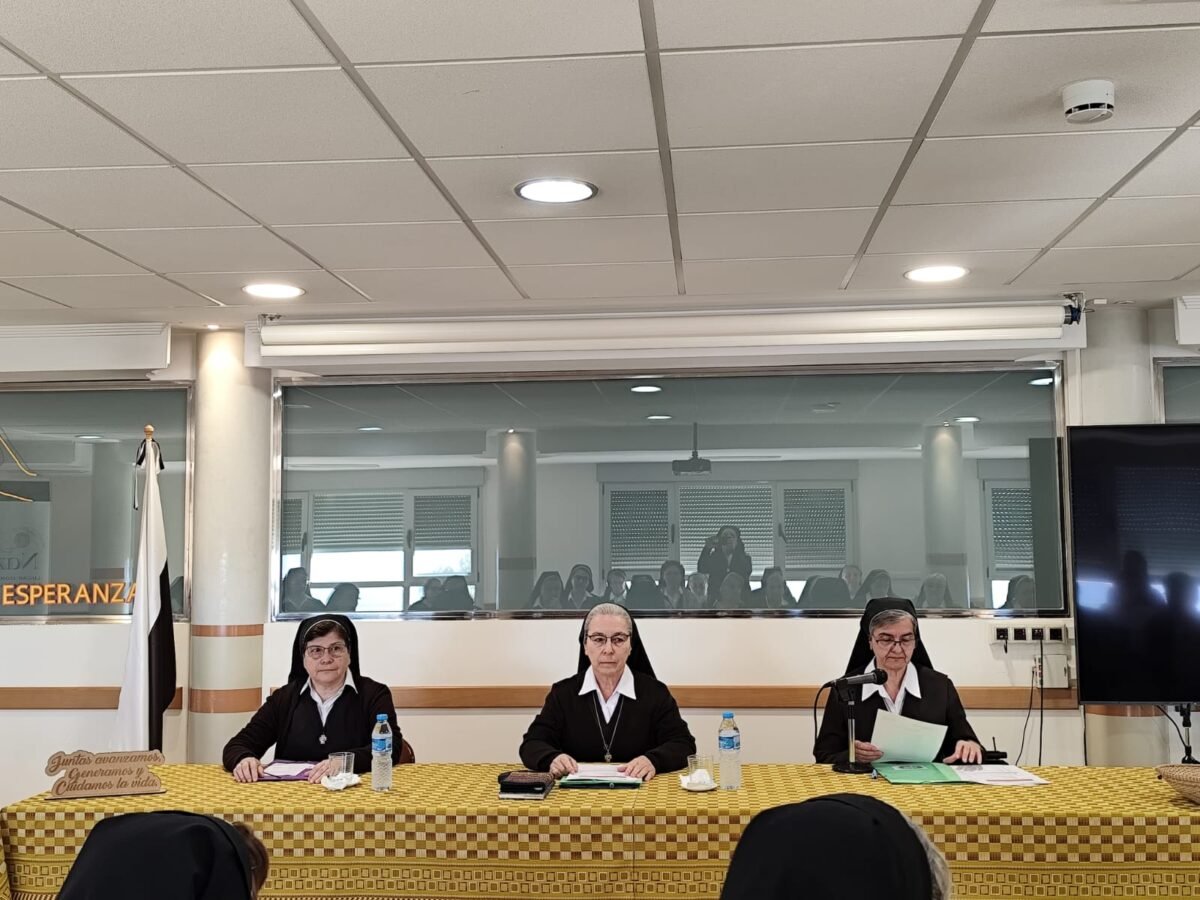
Valencia hosts the 5th Chapter of the Nazareth Province of the Capuchin Tertiary Sisters

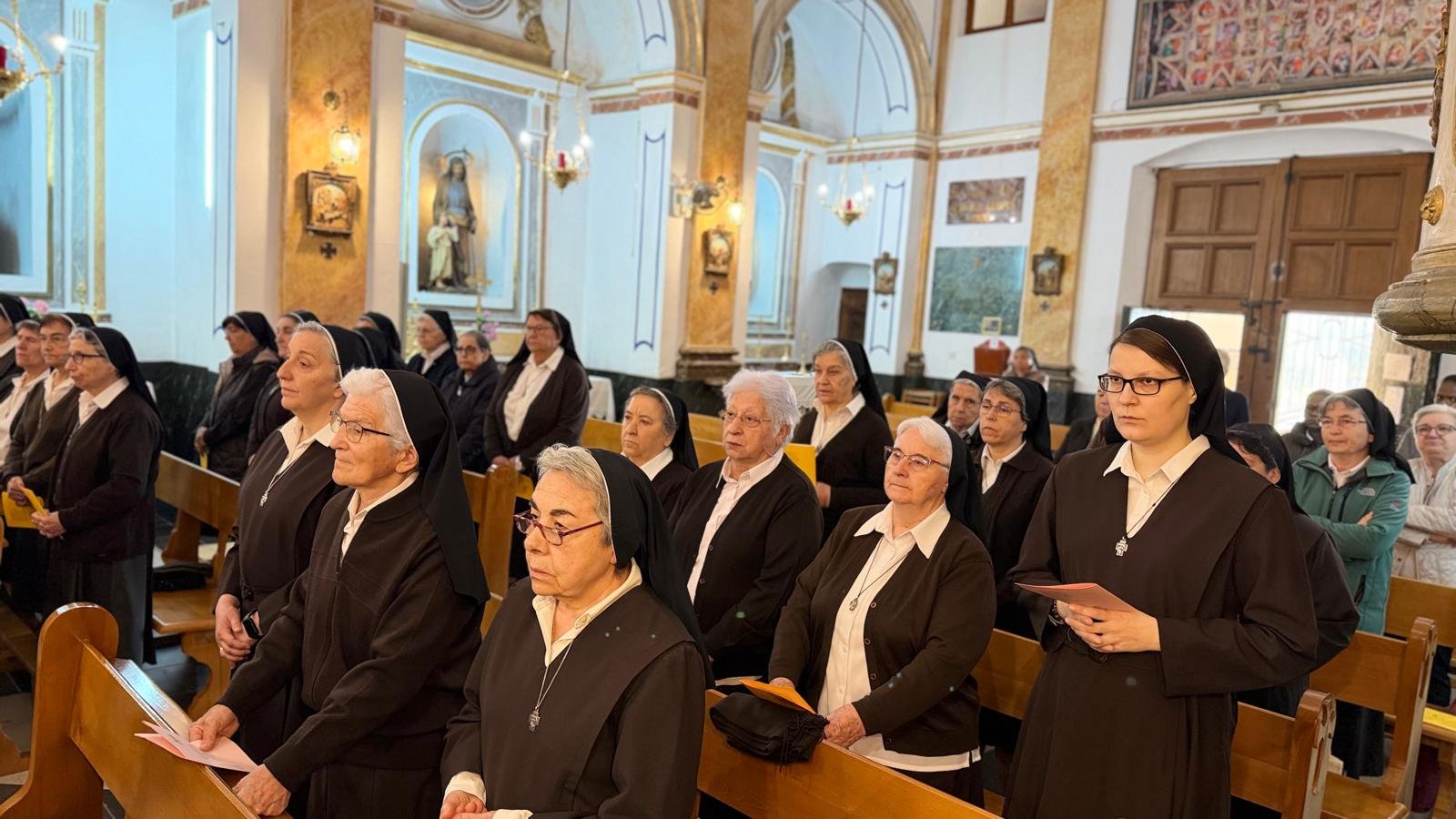
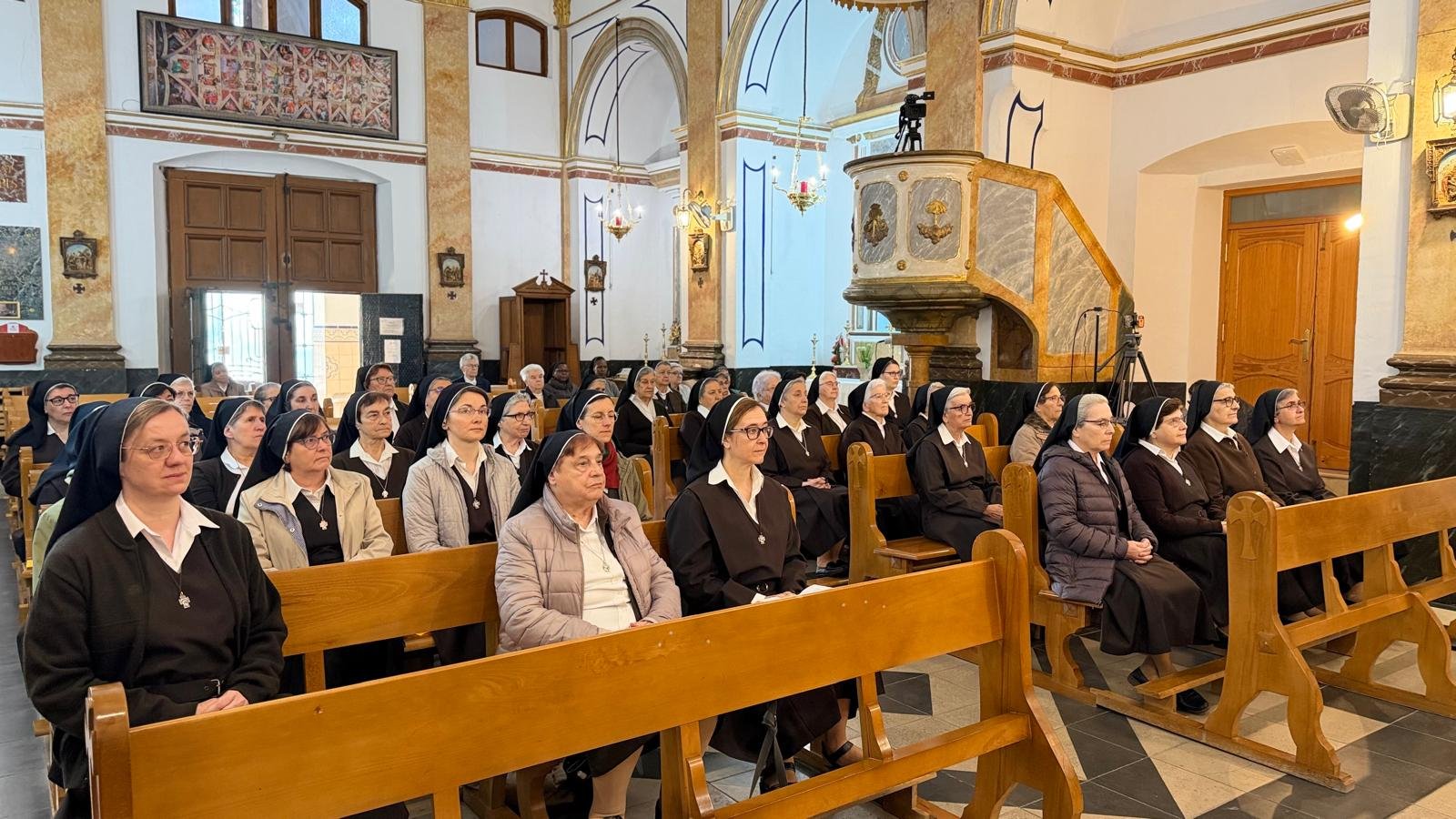
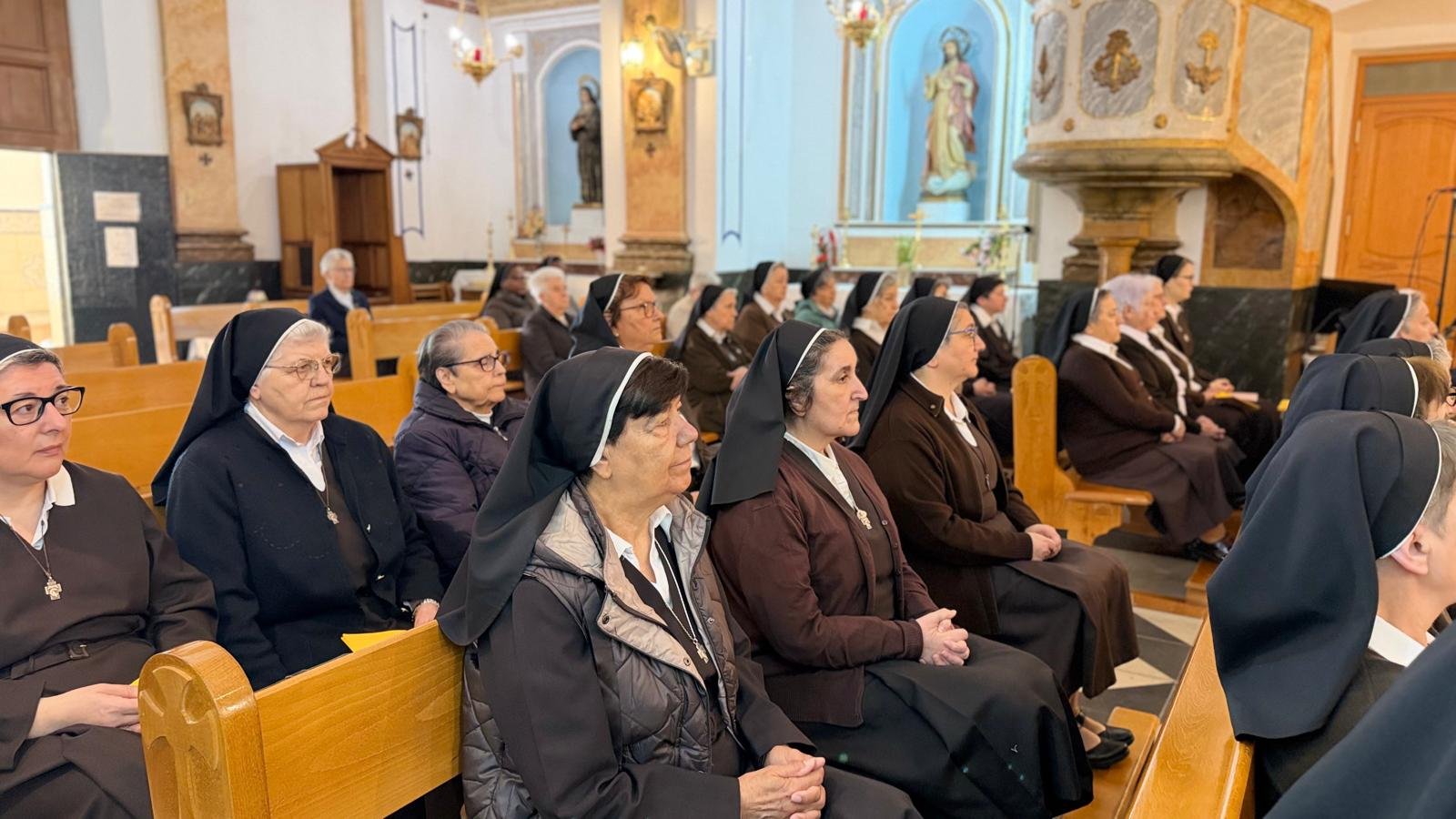
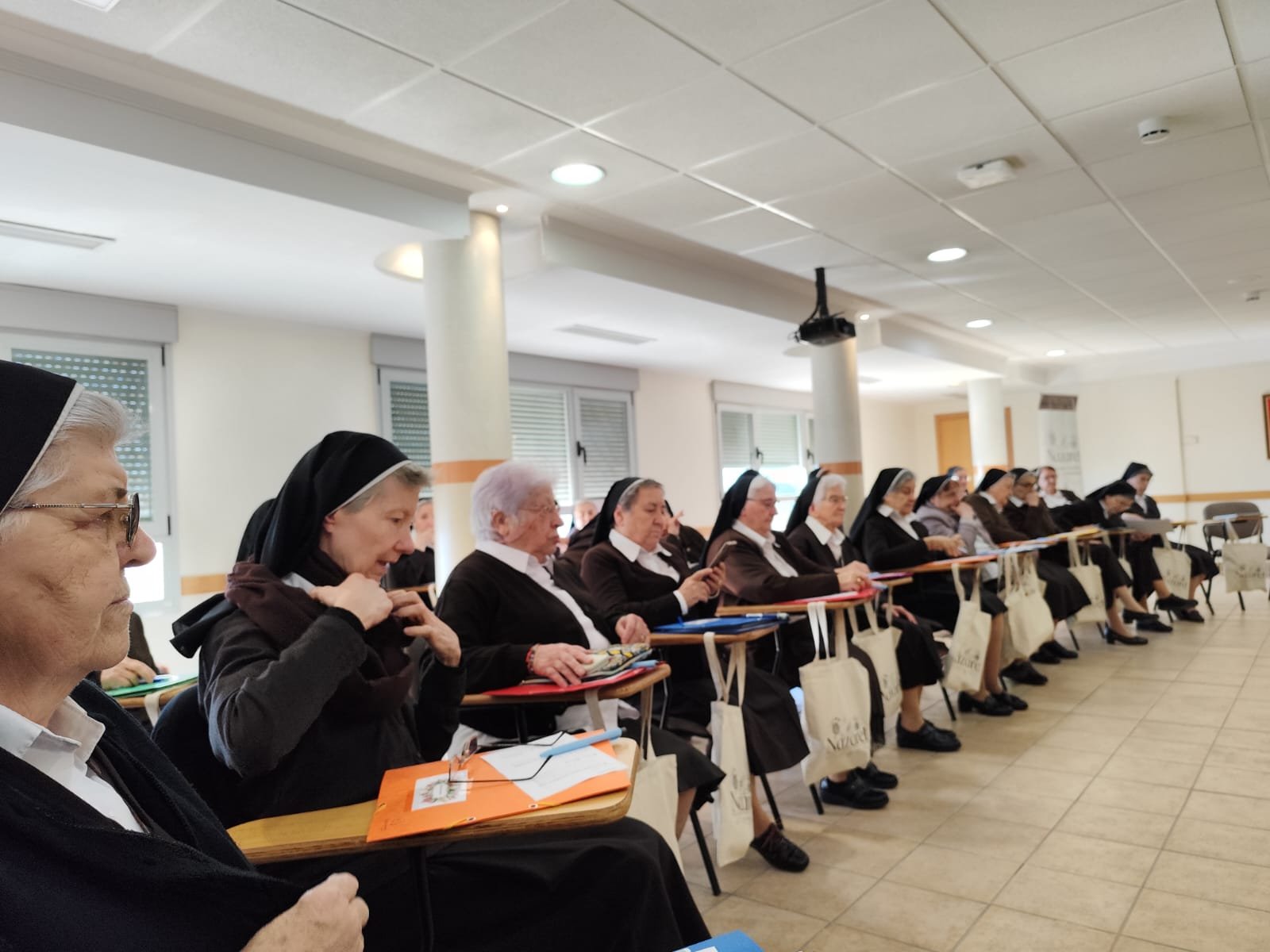
Under the motto “Nazareth, a place where we weave life and hope,” the 5th Chapter of the Nazareth Province has begun, bringing together communities from Spain, Italy, Slovakia, Belgium, and Poland.

This important gathering, taking place from April 6 to 11, brings together sisters from different communities who, in a spirit of family, come together to walk side by side in a process of listening, reflection, and hope for the entire Province.

The Chapter is presided over by Sister Blanca Nidia Bedoya Salazar, Superior General, who accompanies with closeness this meaningful moment in the life and mission of the congregation.

The meeting is being held at the Sanctuary of Montiel, in Valencia, Spain, a place of deep significance as it is the birthplace of the congregation. This setting fosters prayer, fraternal sharing, and common reflection.

Thus, the 5th Chapter of the Nazareth Province is lived as a true Kairos, a time in which the congregational identity is strengthened and the desire to serve in the style of Jesus is renewed.

Categorías
Últimas Noticias

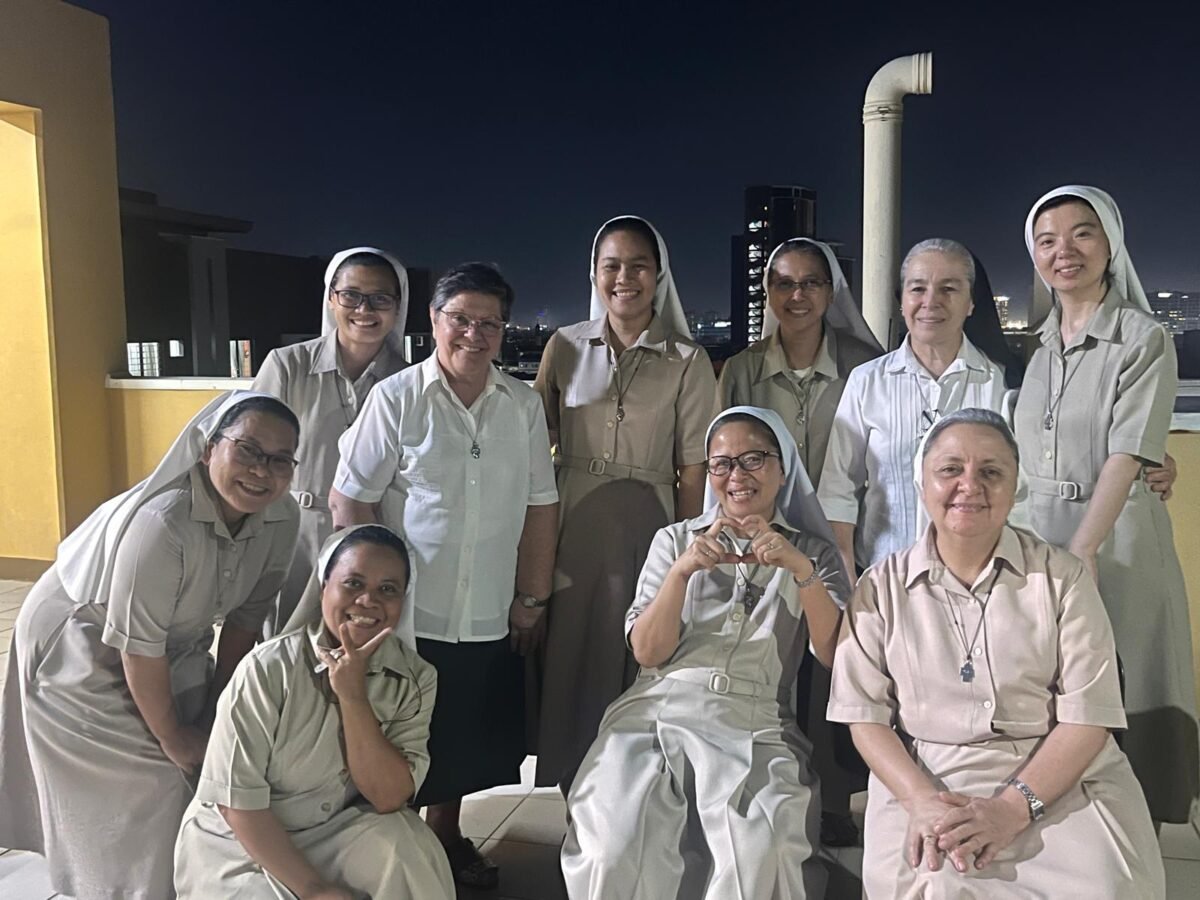
New Council of the General Vice-Province Santa Clara

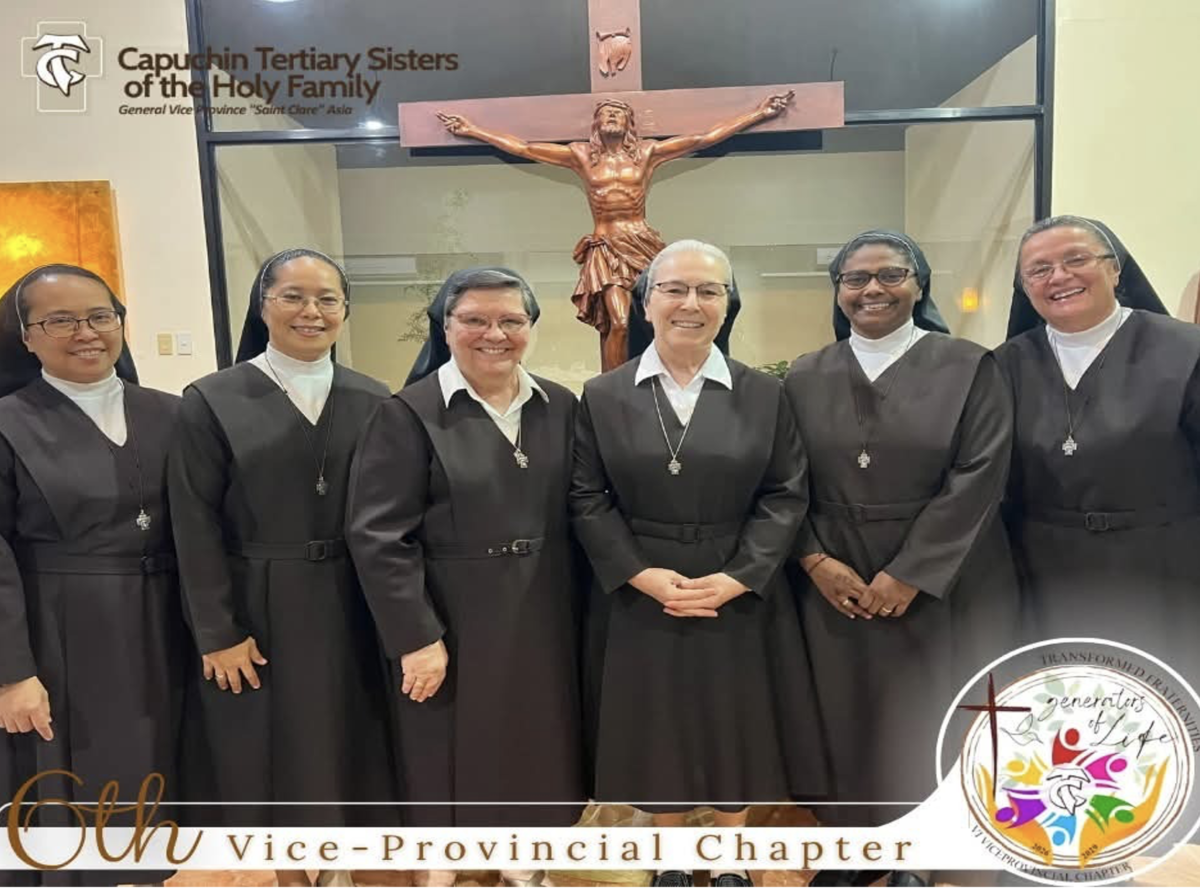
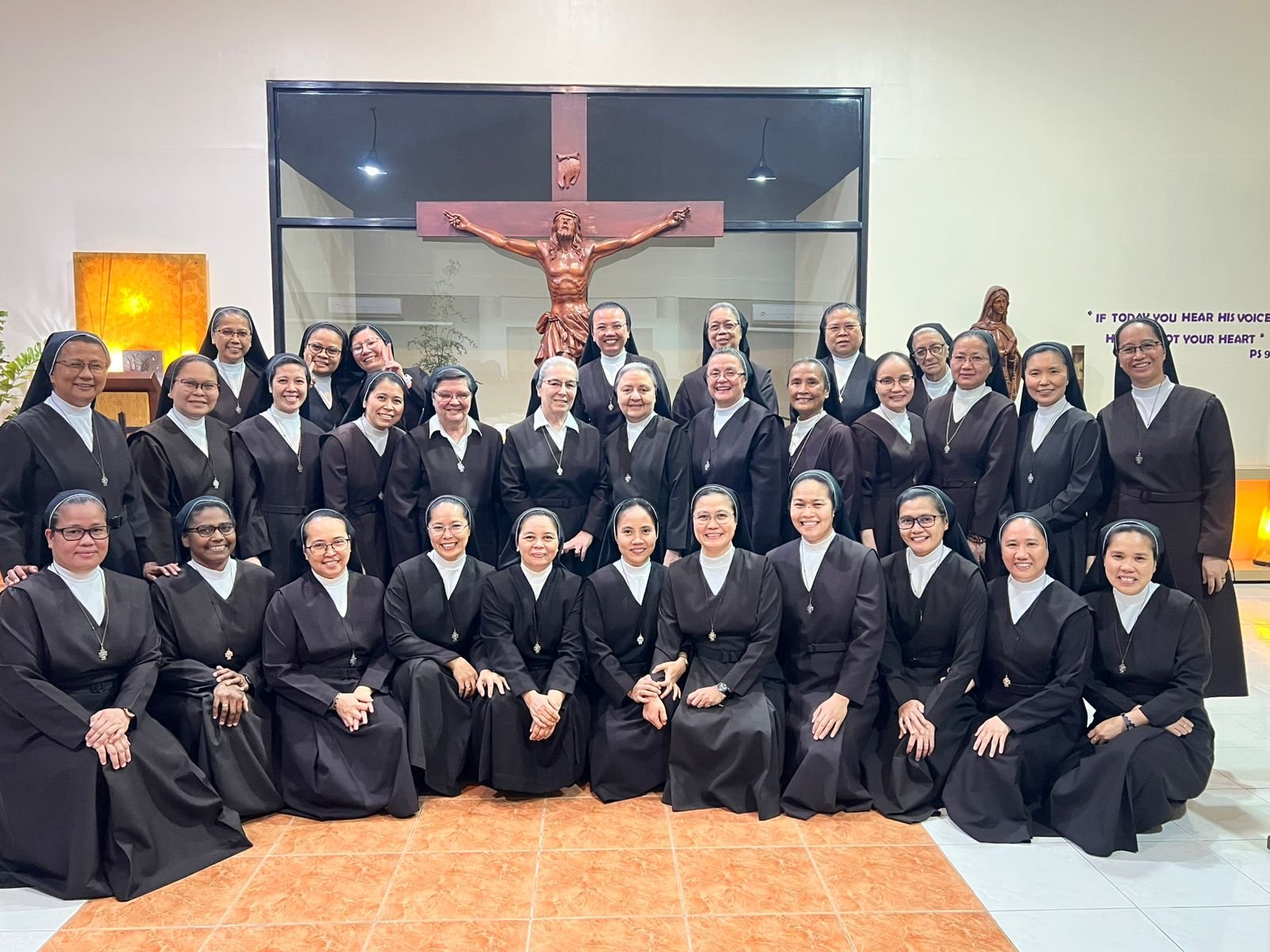
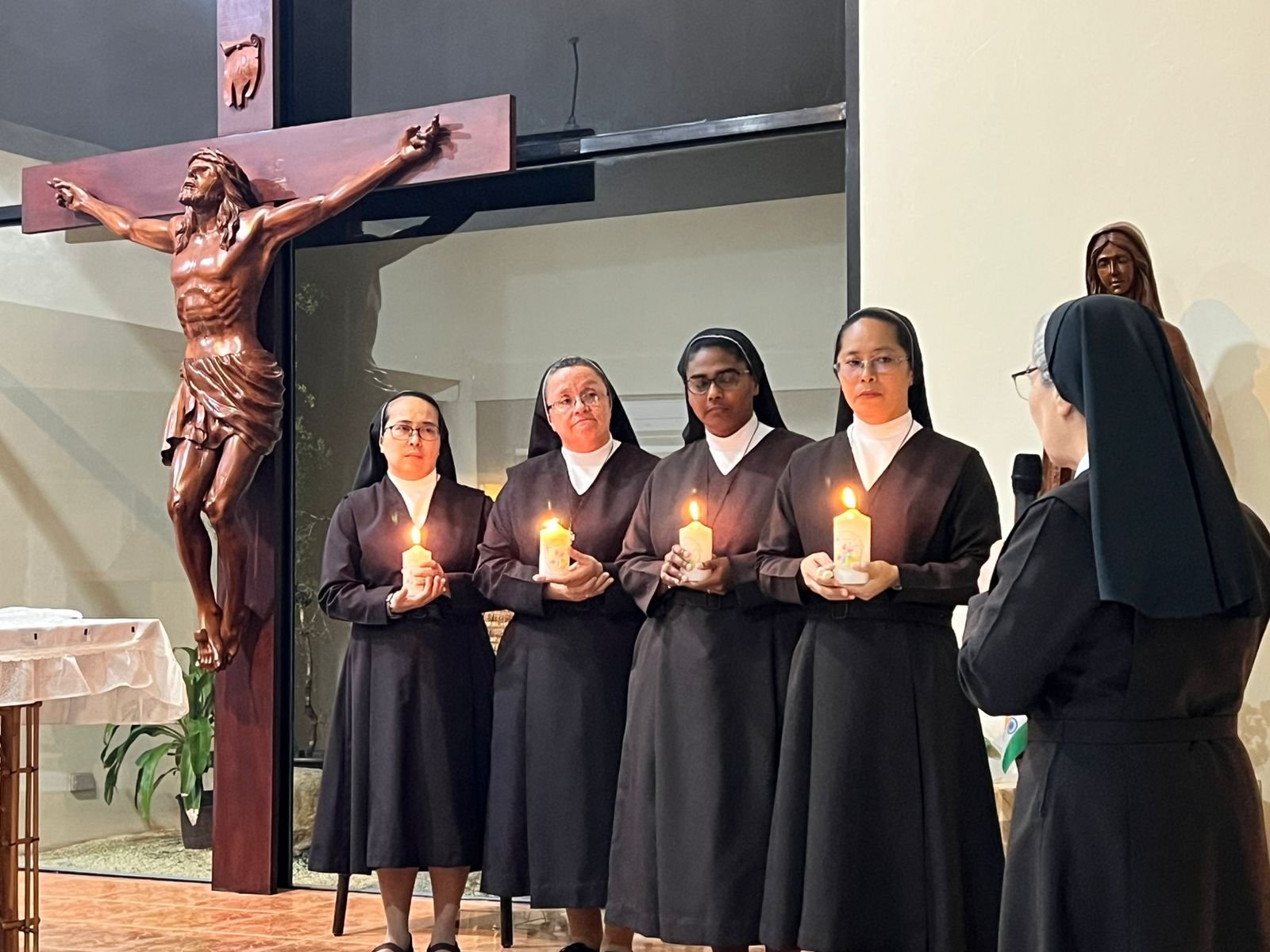
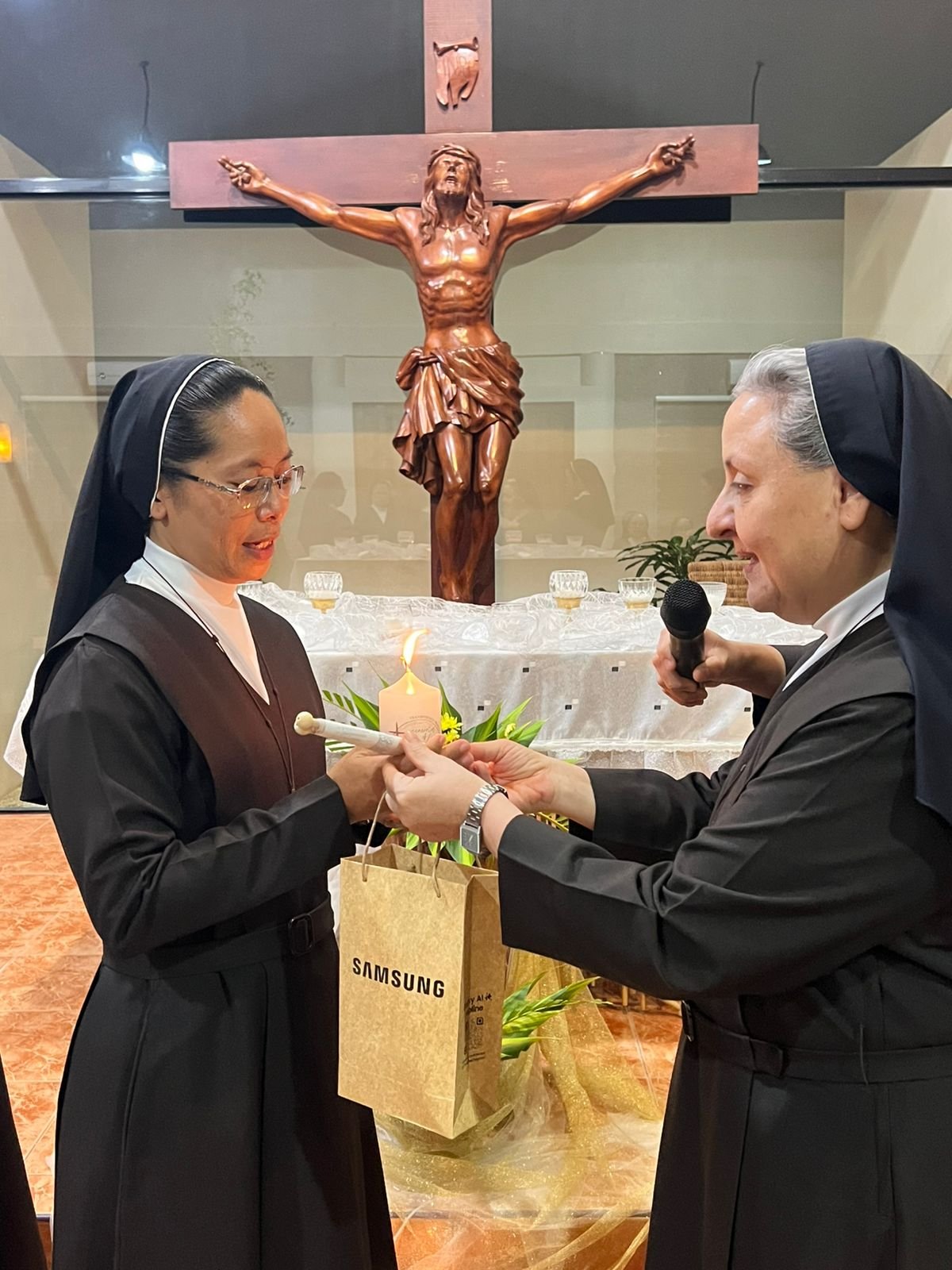
During the celebration of the 6th Vice-Provincial Chapter of the General Vice-Province Santa Clara, Held from March 17 to 22 in the Philippines,  the new Vice-Provincial Council was announced, in an atmosphere of prayer, fraternity, and trust.

The new leadership team is composed as follows:

  • Vice-Provincial Superior: Sr. Daniela Villanueva
  • First Councilor and Vicar: Sr. Princy Joseph
  • Second Councilor: Sr. Luz María Buitrago
  • Third Councilor: Sr. Karen C. Morelos

This significant moment for the life of the Vice-Province is lived with the certainty that it is the Holy Spirit who guides the journey of the Congregation.

With hope and a spirit of communion, the sisters offer their prayers for the new Council, which takes on the mission of guiding and accompanying the life and mission of the Vice-Province with responsibility and a servant heart in this new stage.